Shingles & exposed fasteners
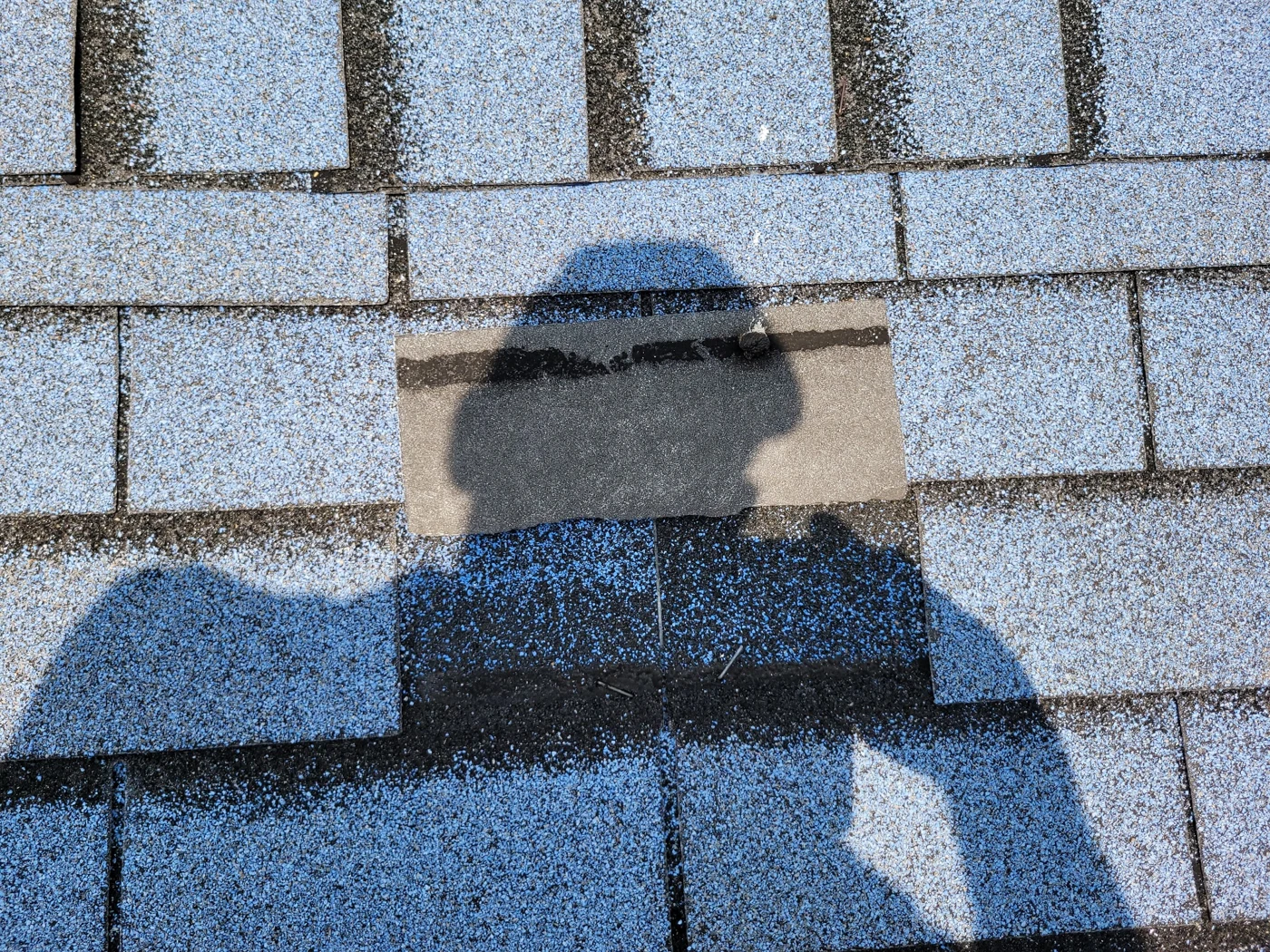
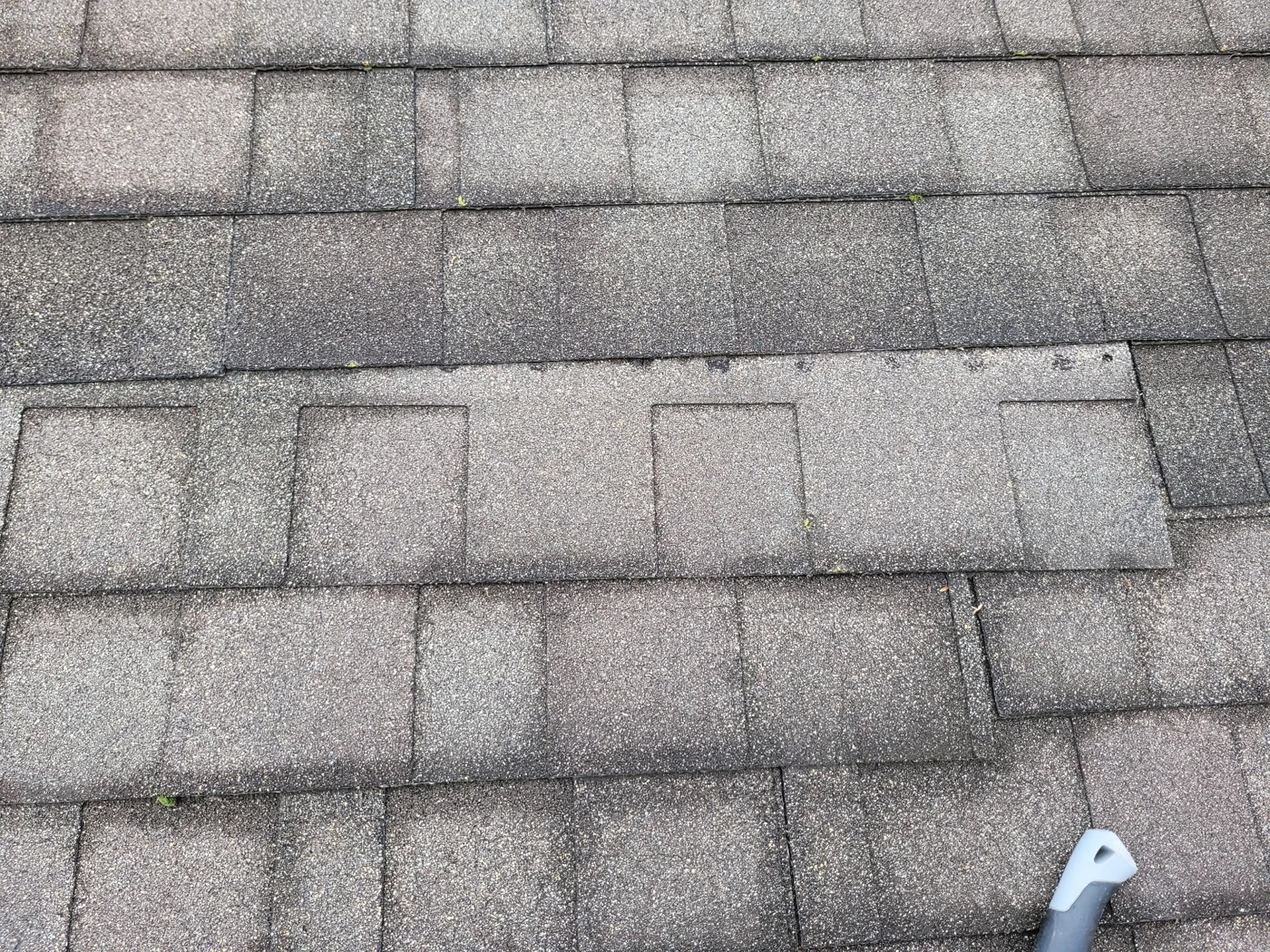
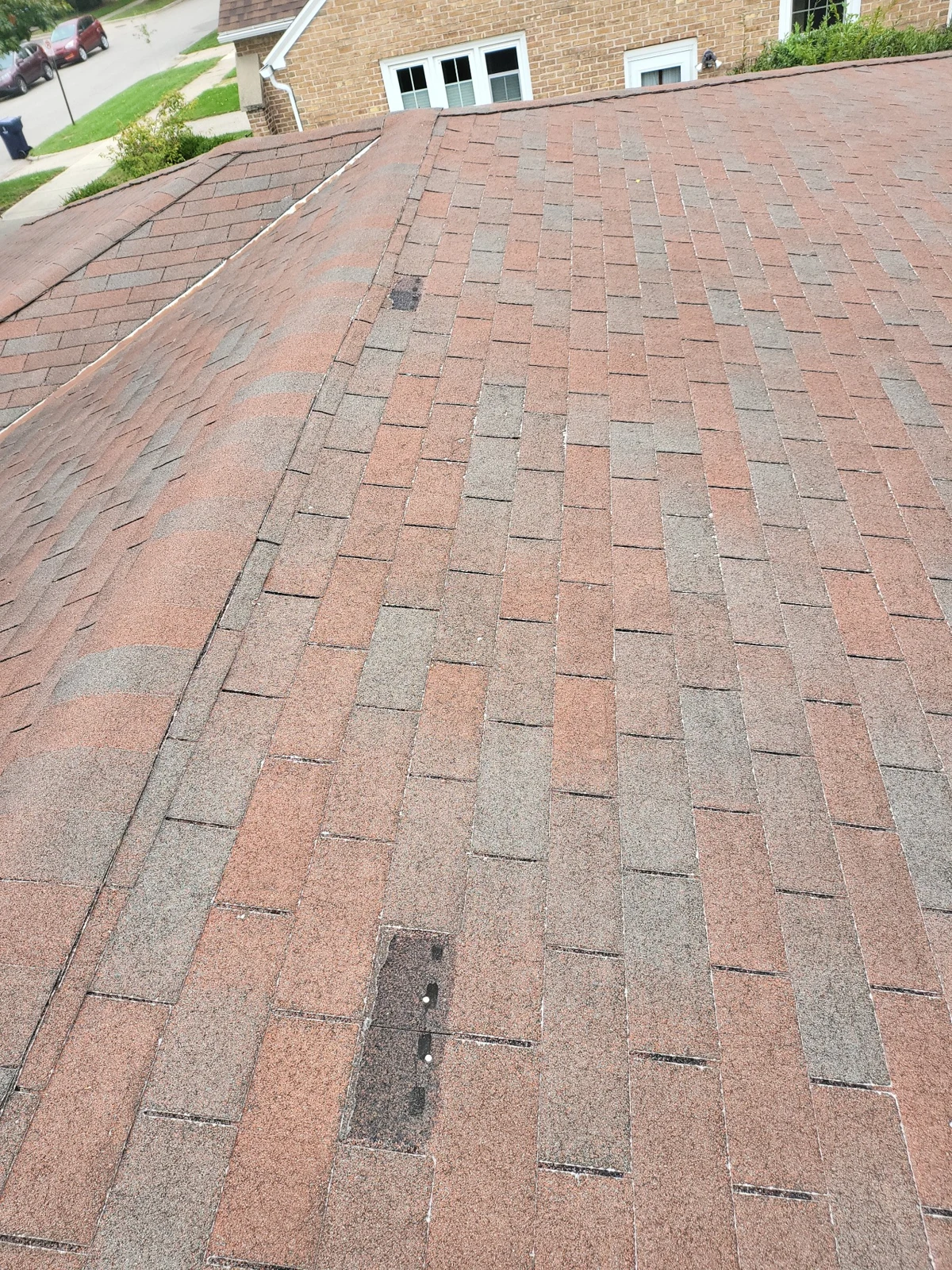
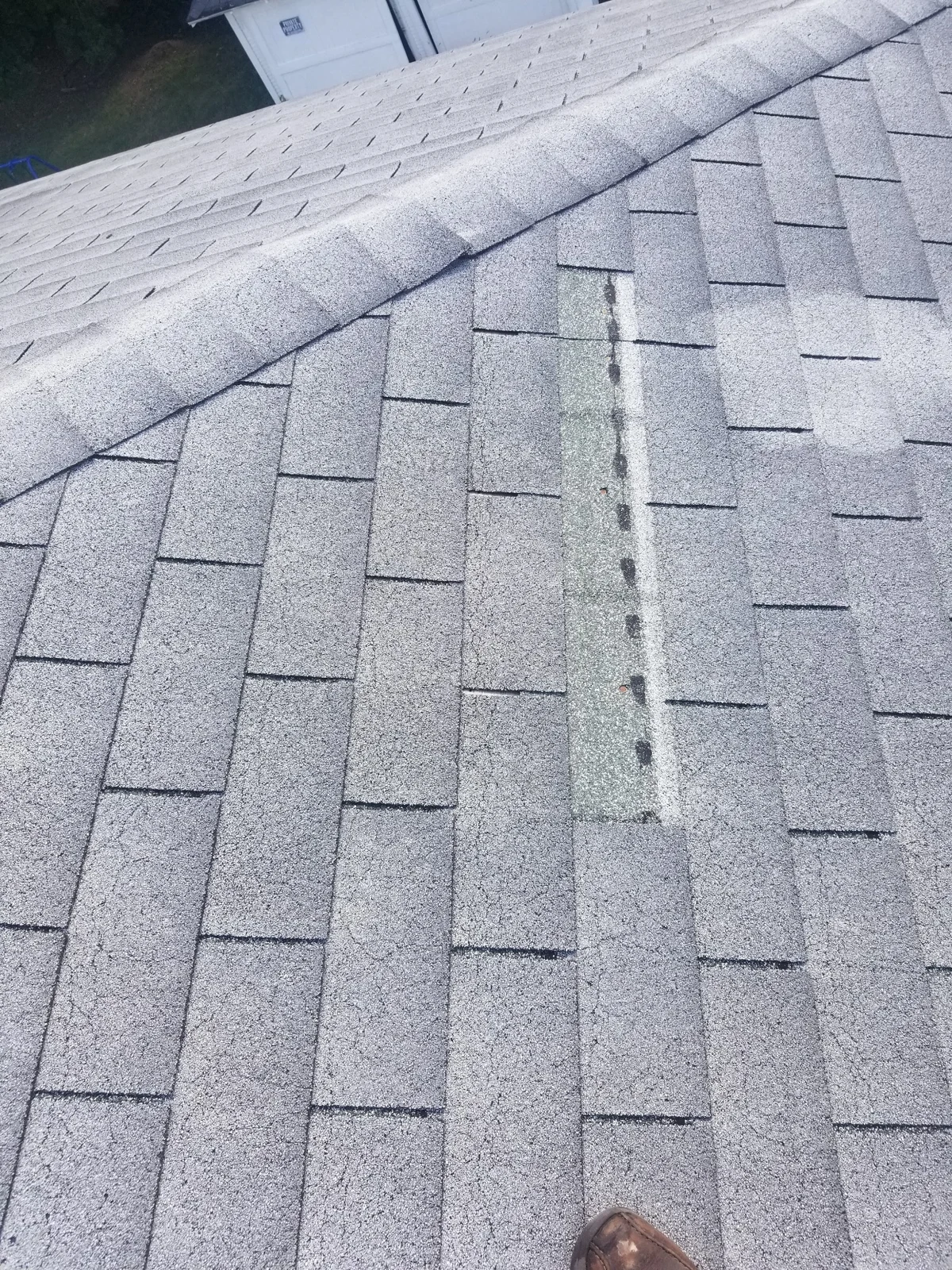
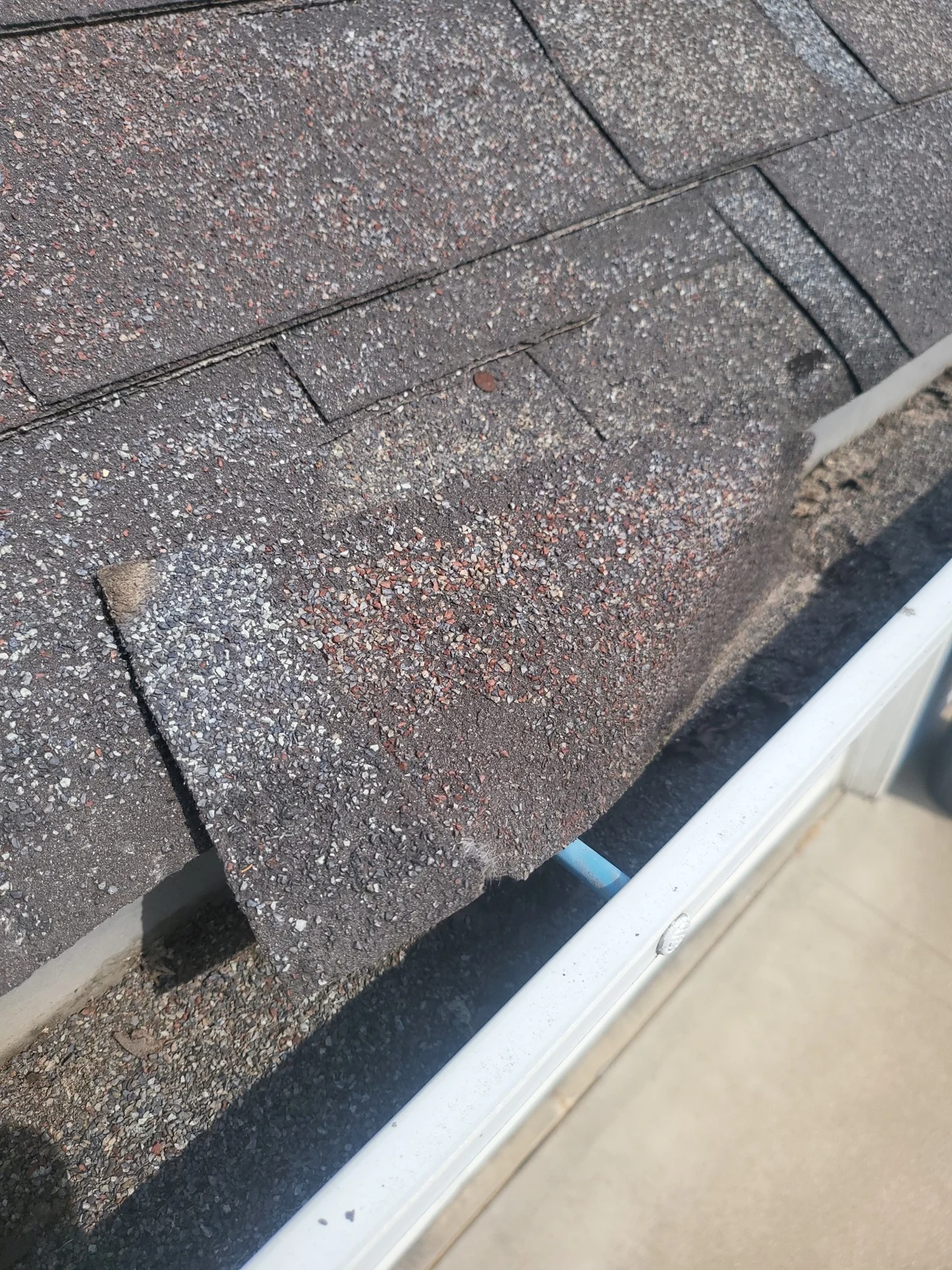
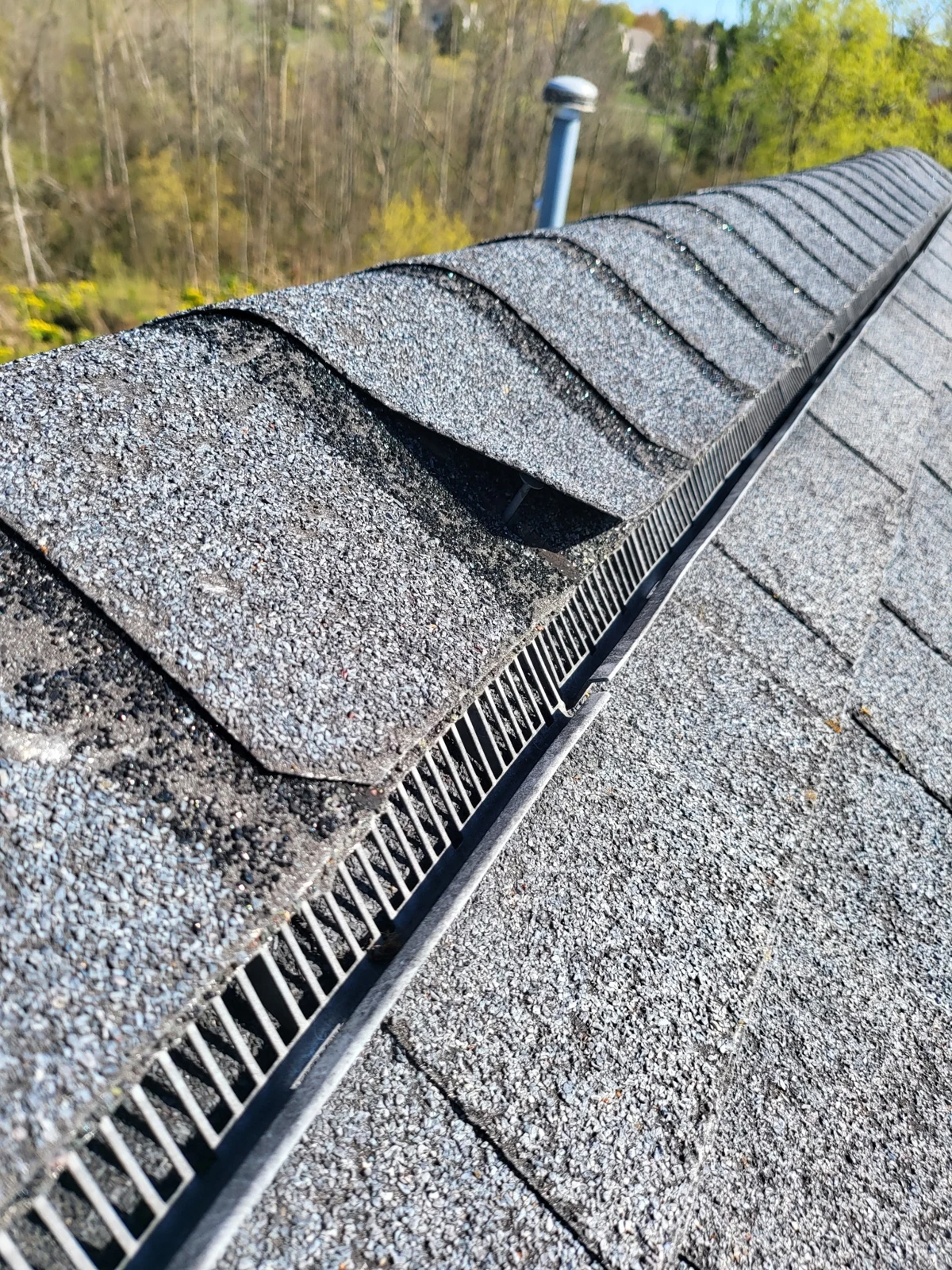
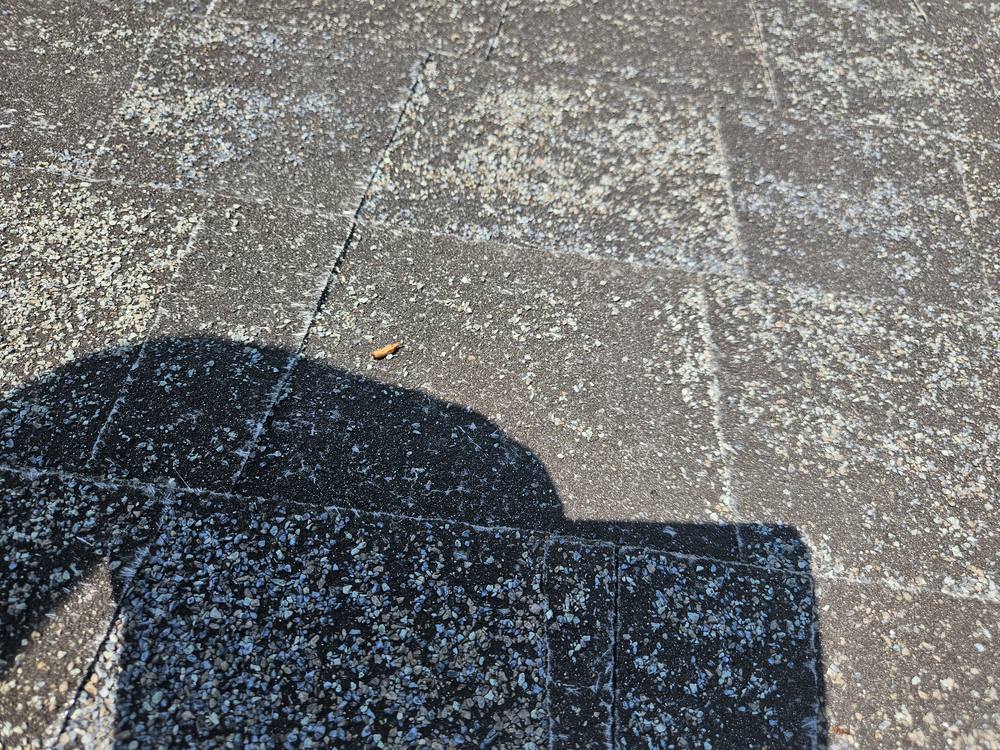
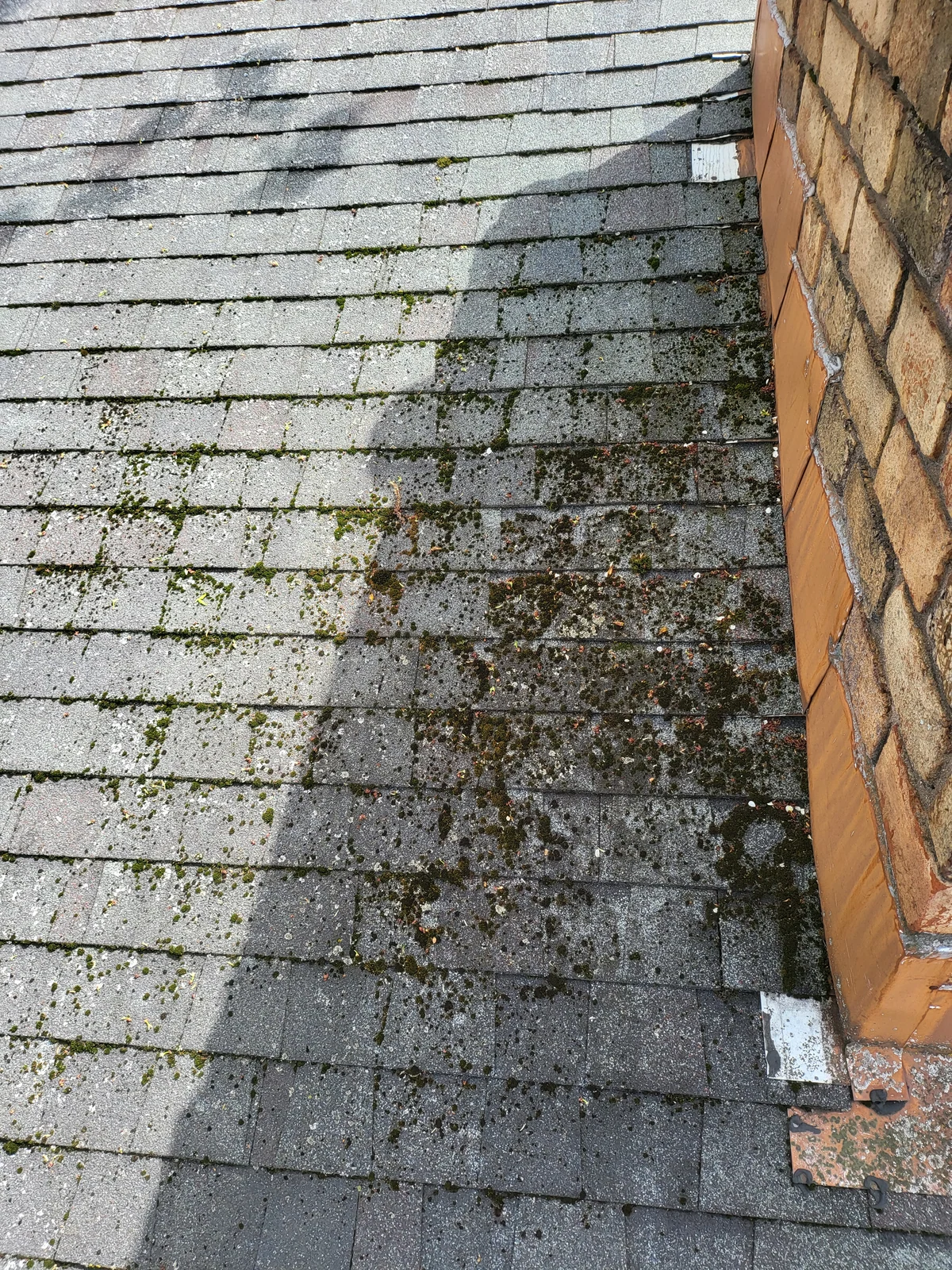
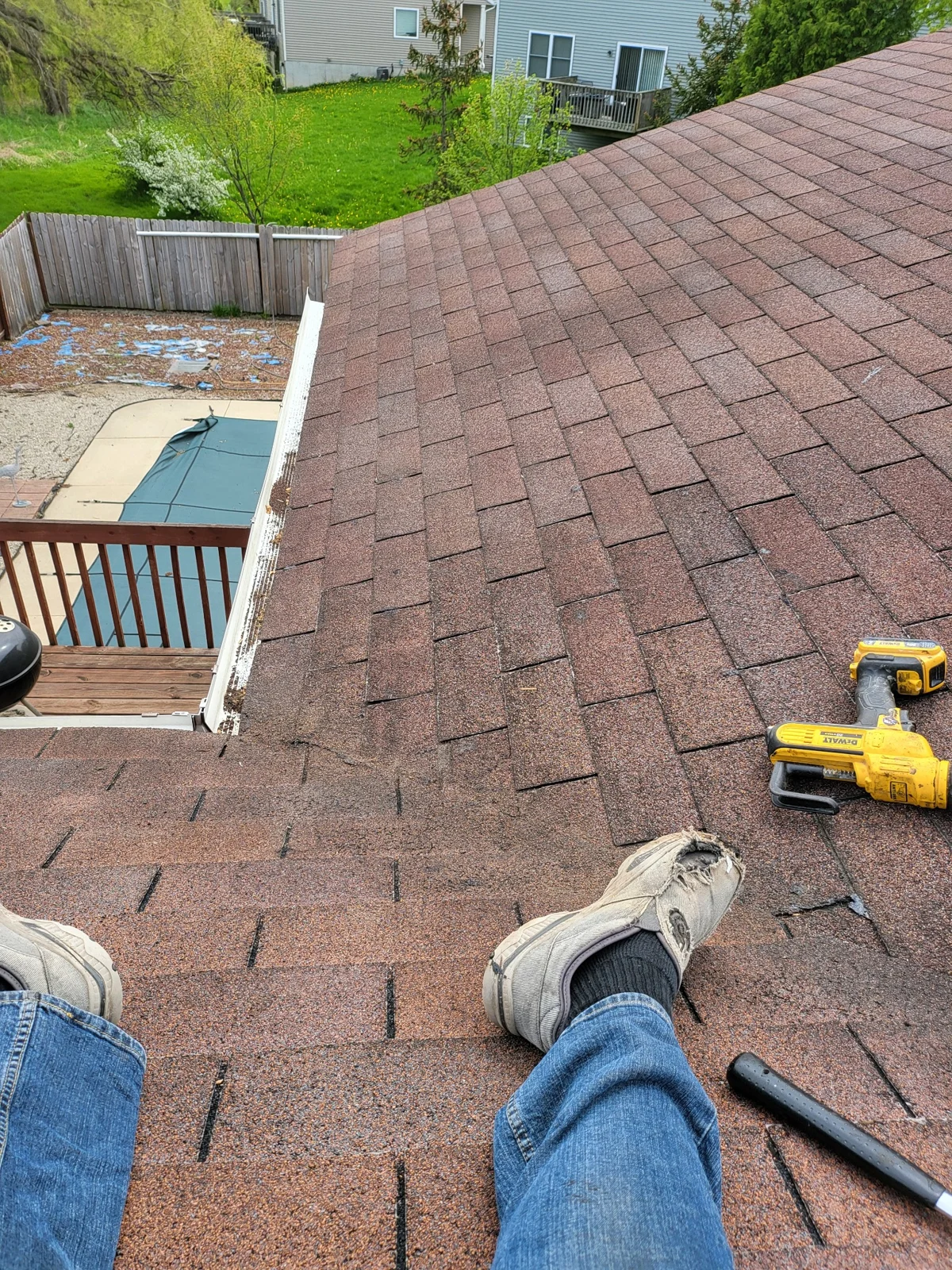
We look for missing or broken shingles, tears around nail holes, loose shingles that are not securely attached, and exposed nail heads. Small details can be difficult to spot from the ground.
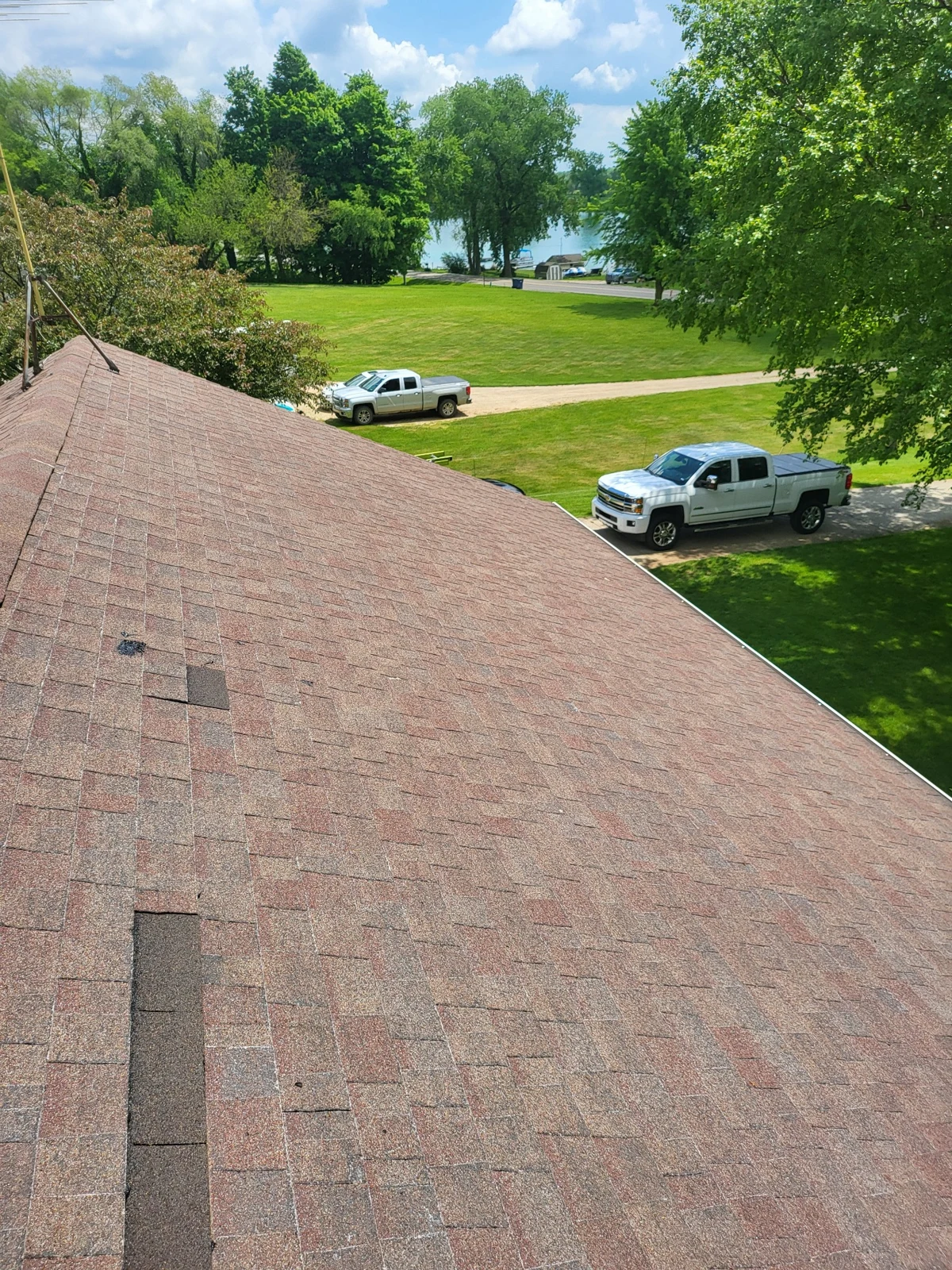
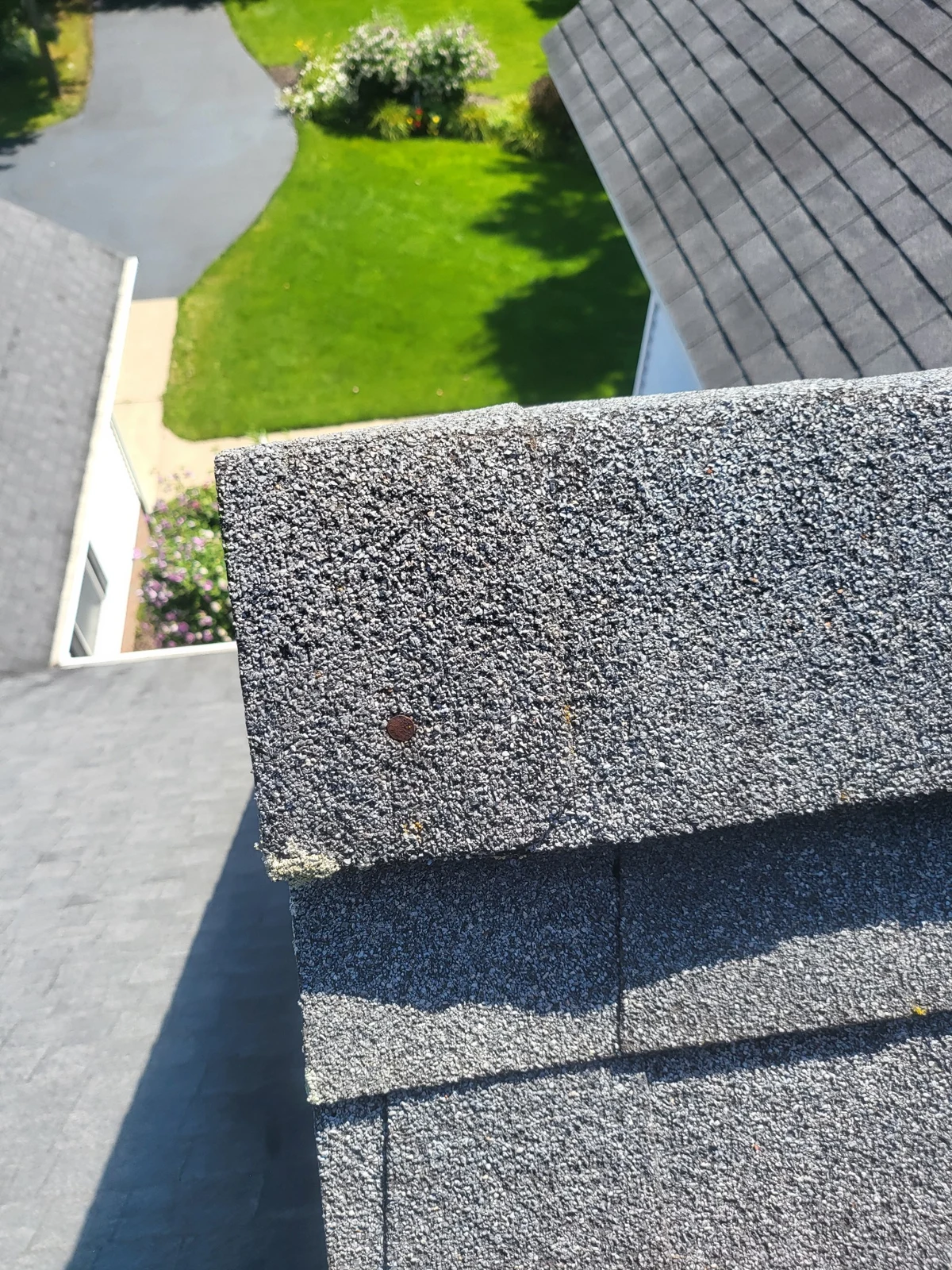
Roof rejuvenation with Roof Shield in Grand Rapids and West Michigan.
Every Roof Shield evaluation starts with an inspection. We show you photos of your own roof so you can see what we see and decide whether rejuvenation makes sense.
$1.00 per sq. ft. of roof area for Roof Shield treatment on qualifying West Michigan homes. Treatment on a 2,000 sq. ft. roof is $2,000.
The end-of-season offer runs as long as weather allows us to apply Roof Shield. Cleaning and repairs, when needed, are quoted separately.
This short video explains how Roof Shield is applied and how the process helps preserve aging asphalt shingles.
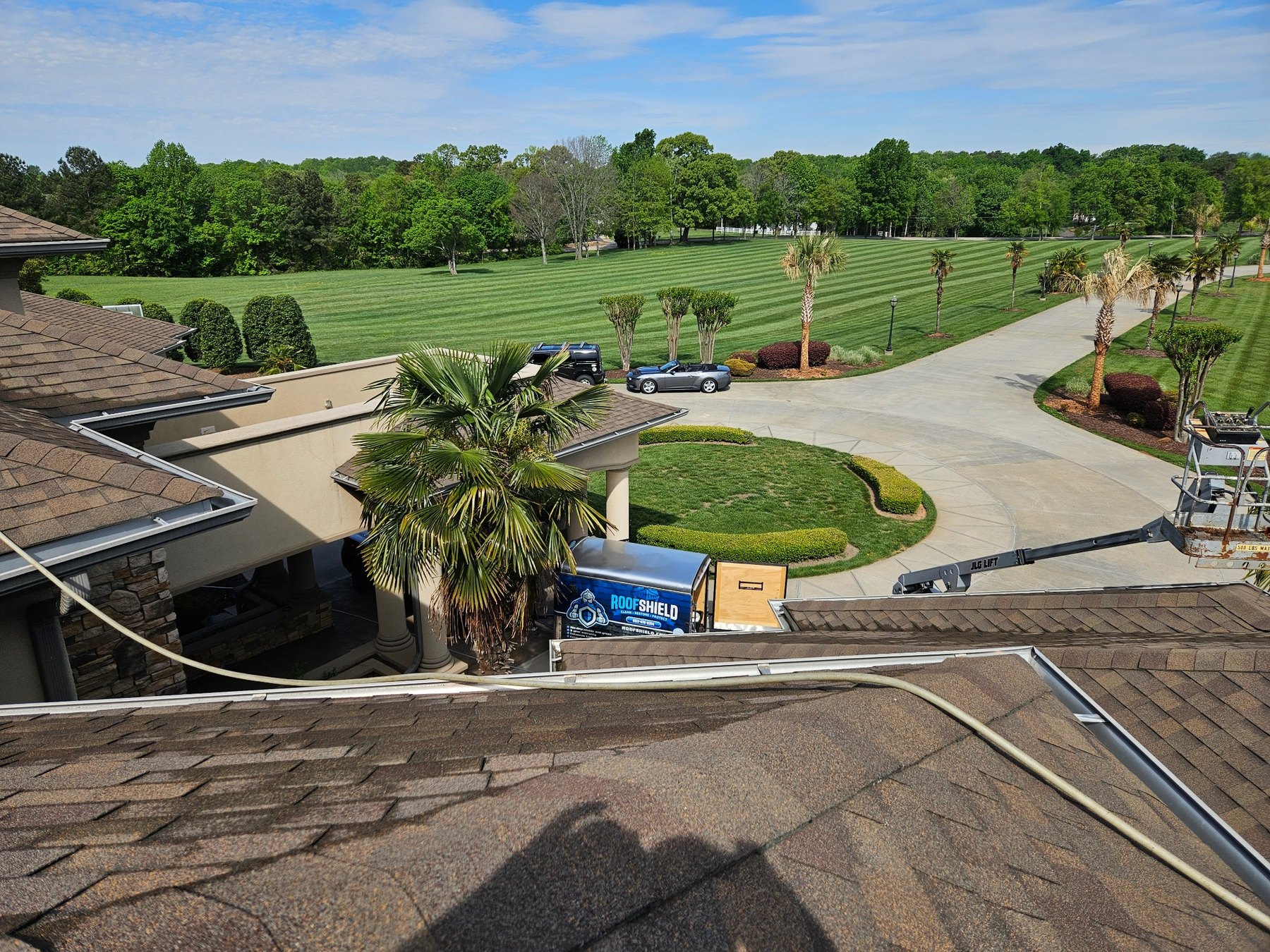
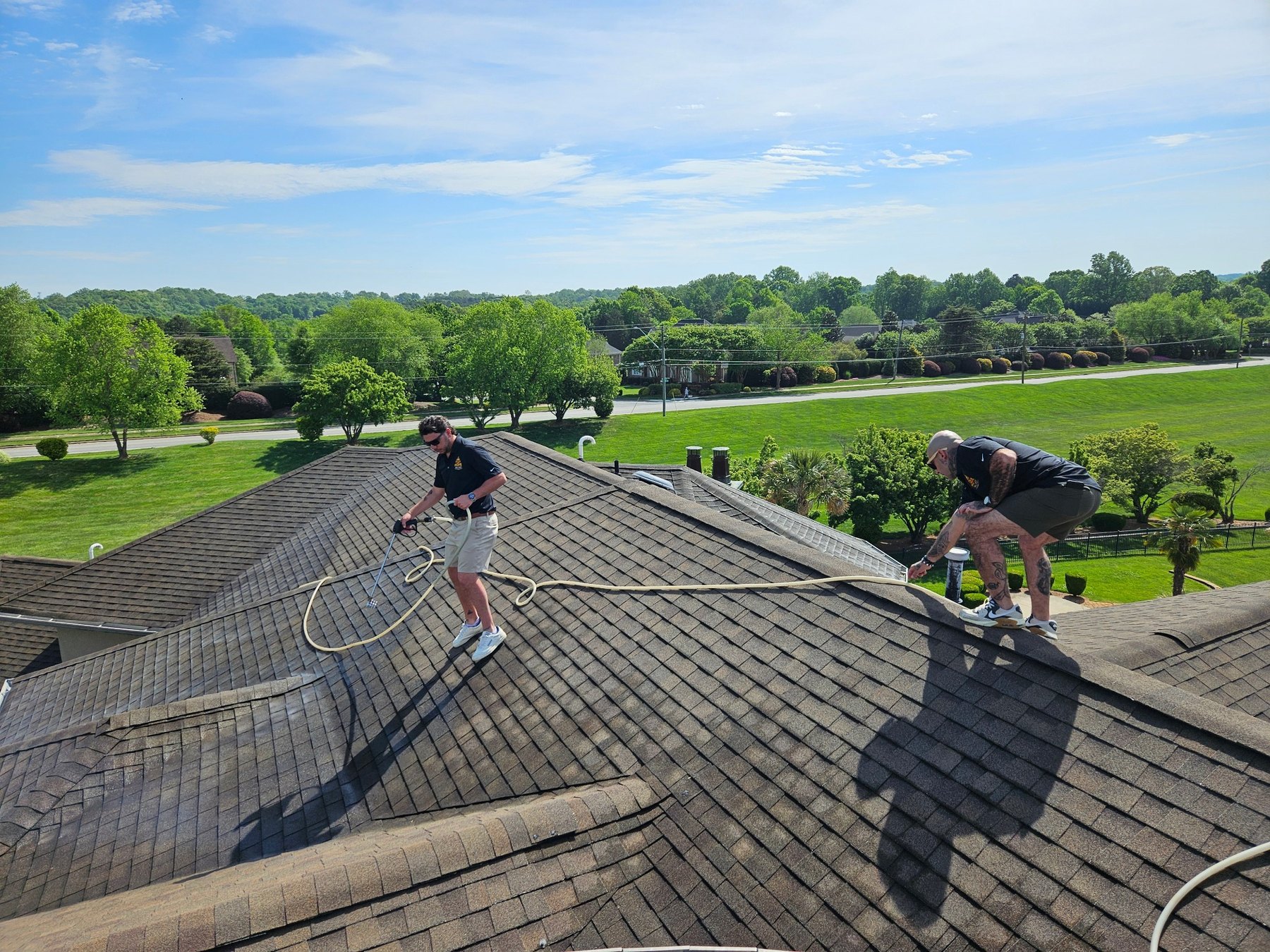
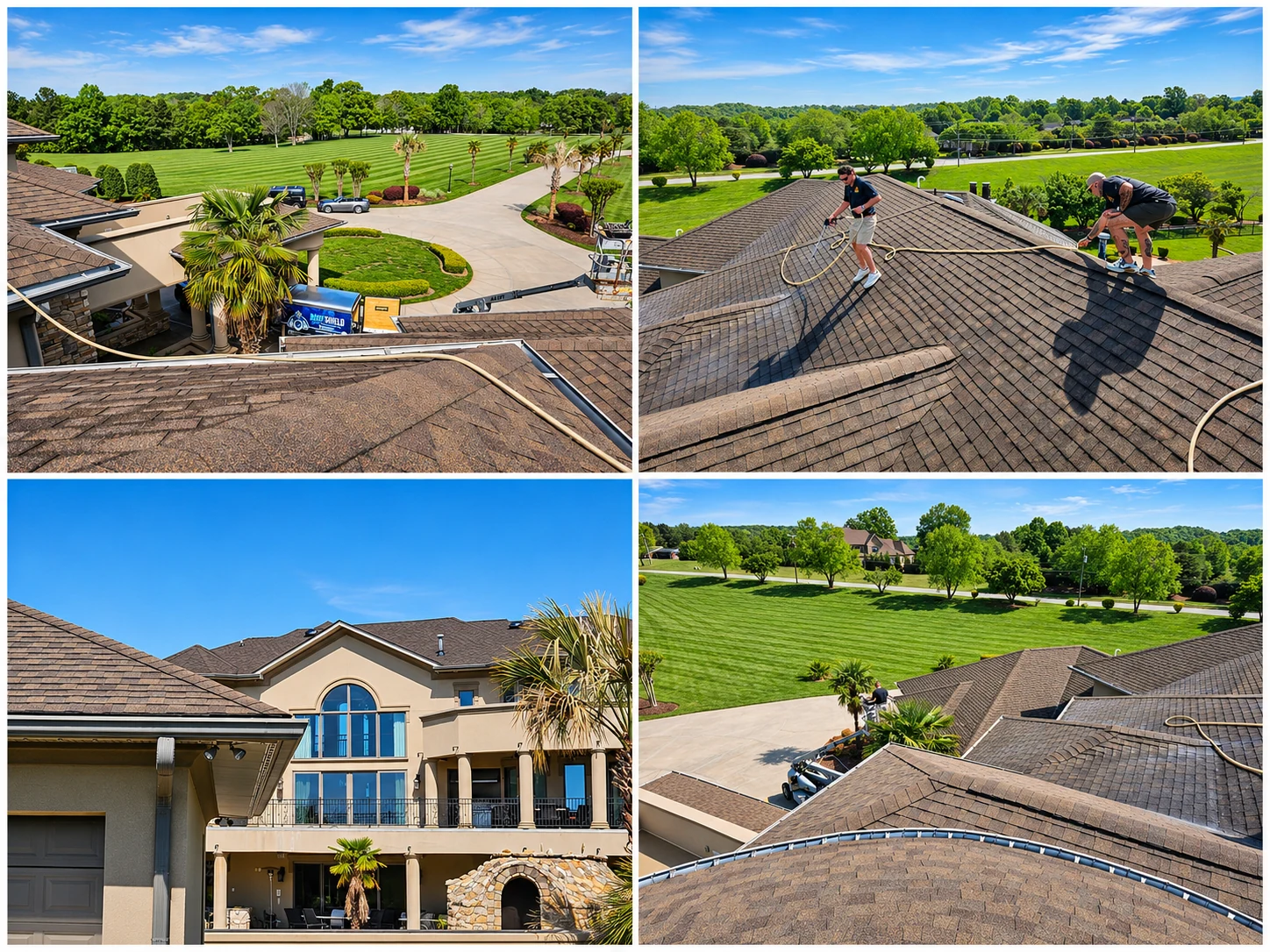
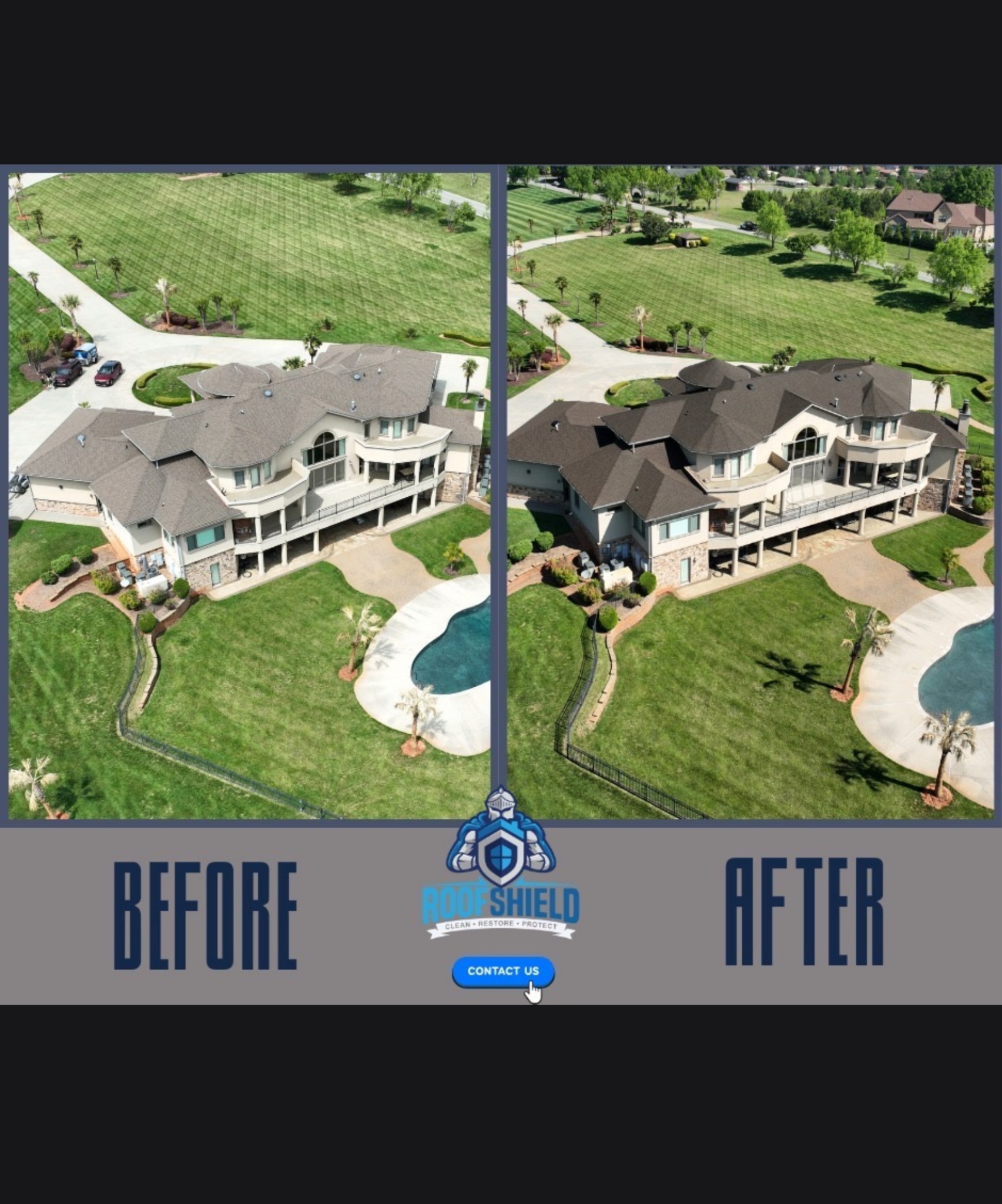
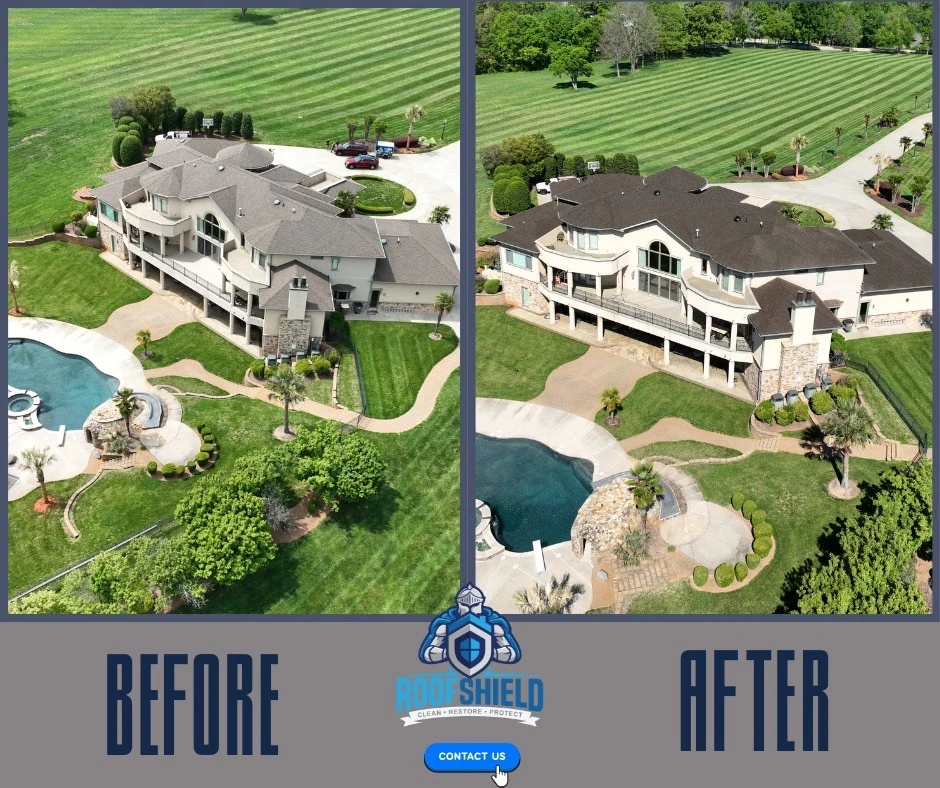
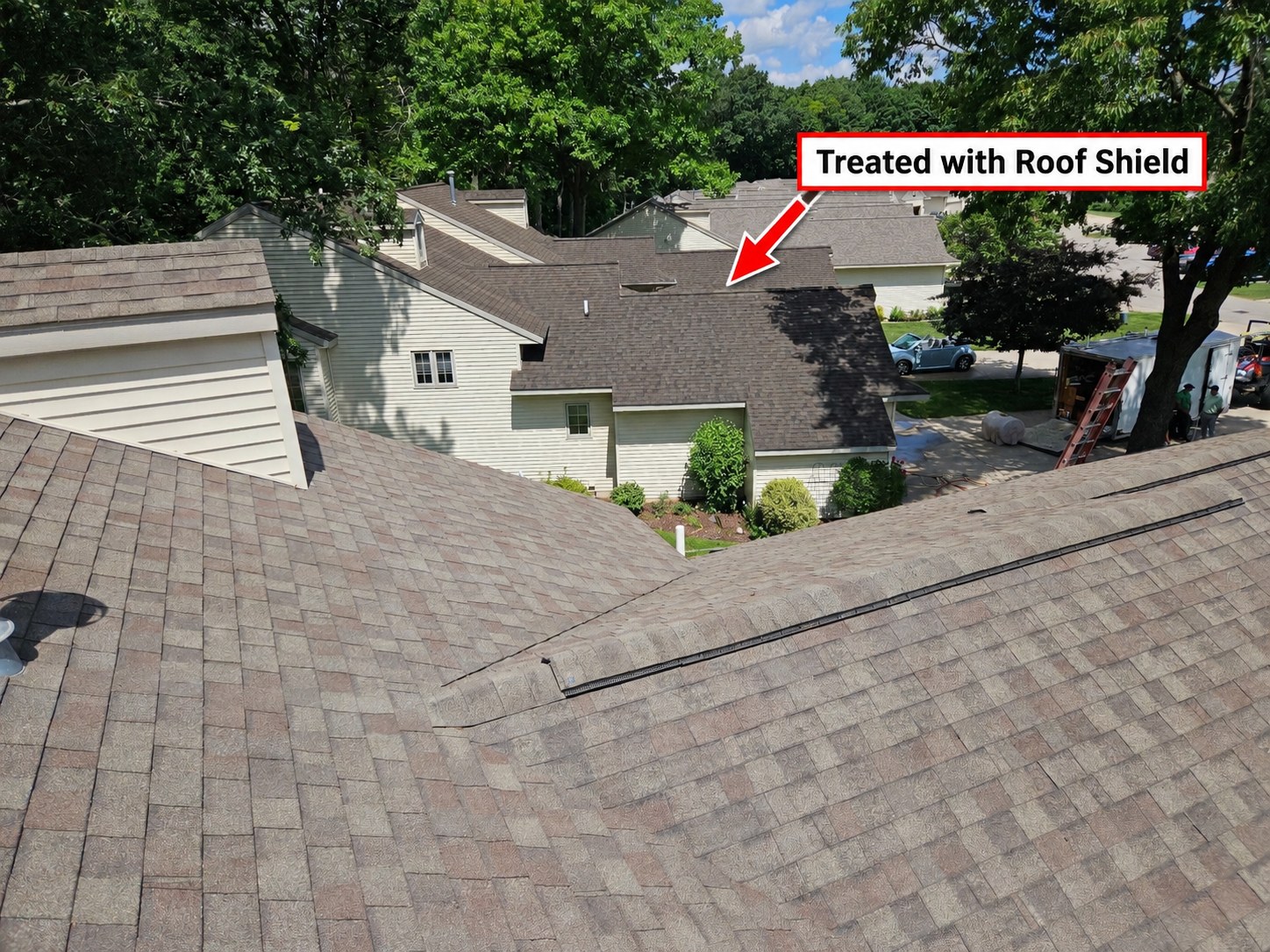
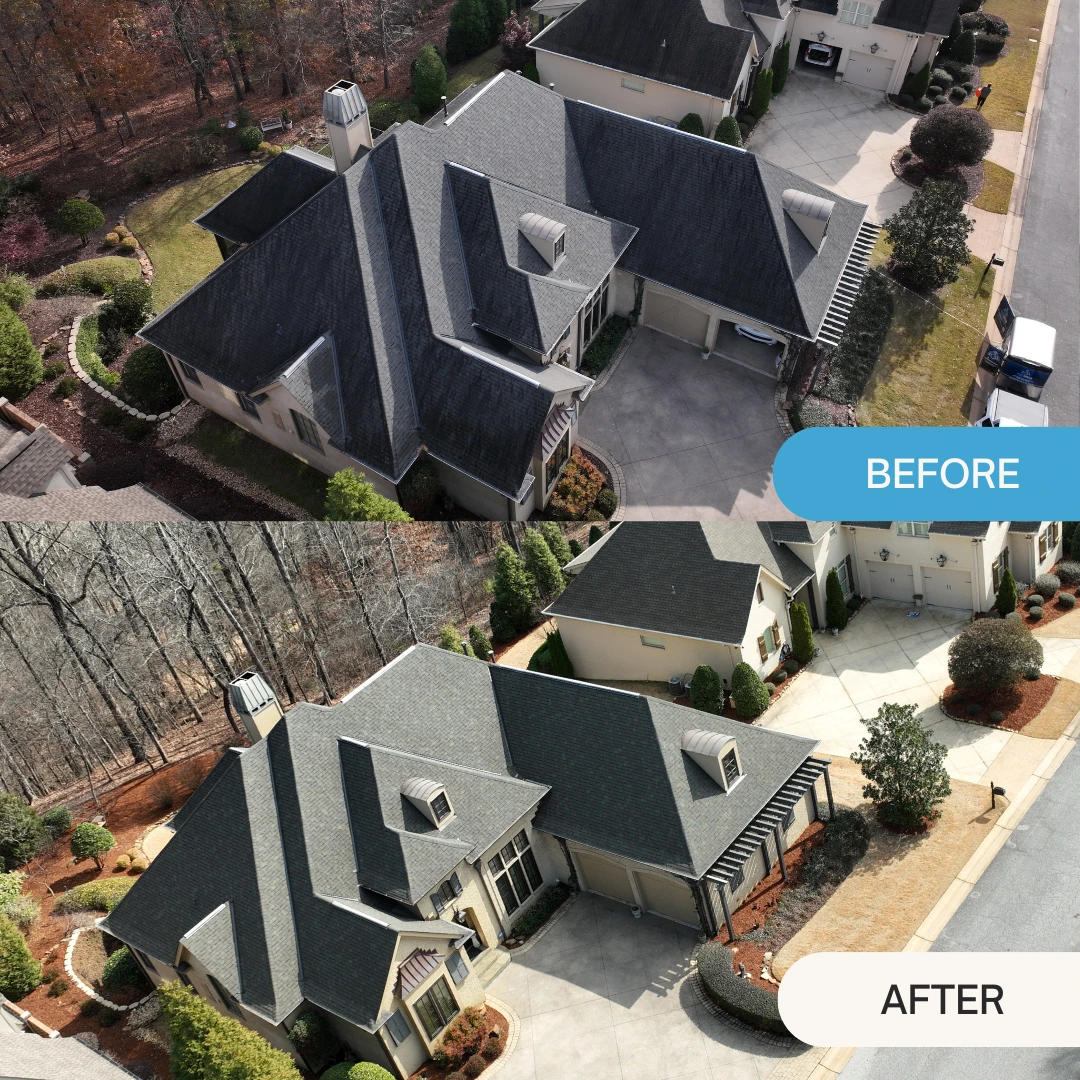
See the crew applying Roof Shield at Mike Wallace’s home, followed by two aerial before-and-after views of the roof.
We take photos at every inspection and show them to you. You’ll see what we found on your own roof, including shingle wear, exposed fasteners, damaged pipe boots or other areas that need attention. We’ll walk you through what can be cleaned or repaired and whether the roof qualifies for Roof Shield.
We look for missing or broken shingles, tears around nail holes, loose shingles that are not securely attached, and exposed nail heads. Small details can be difficult to spot from the ground.
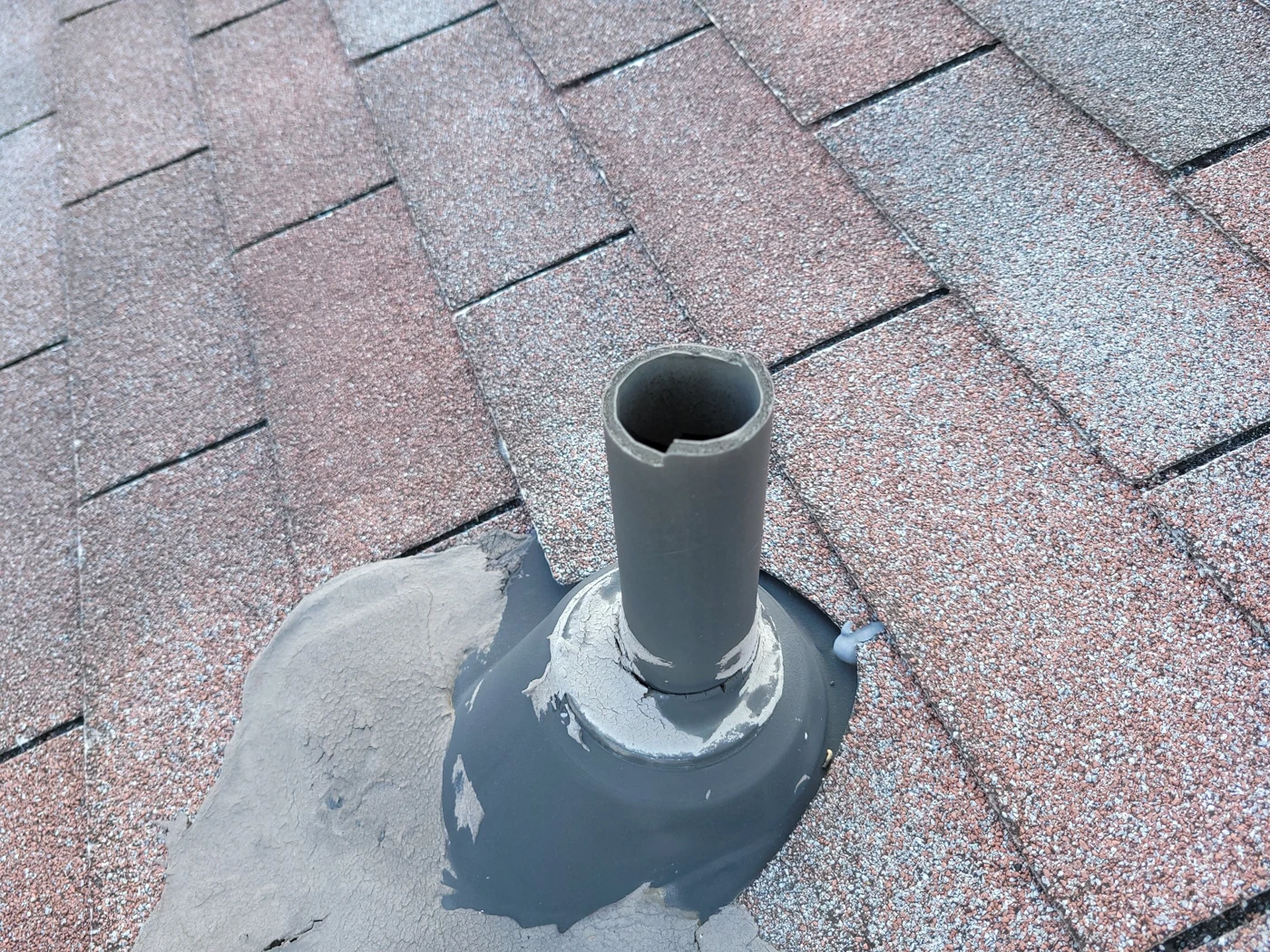
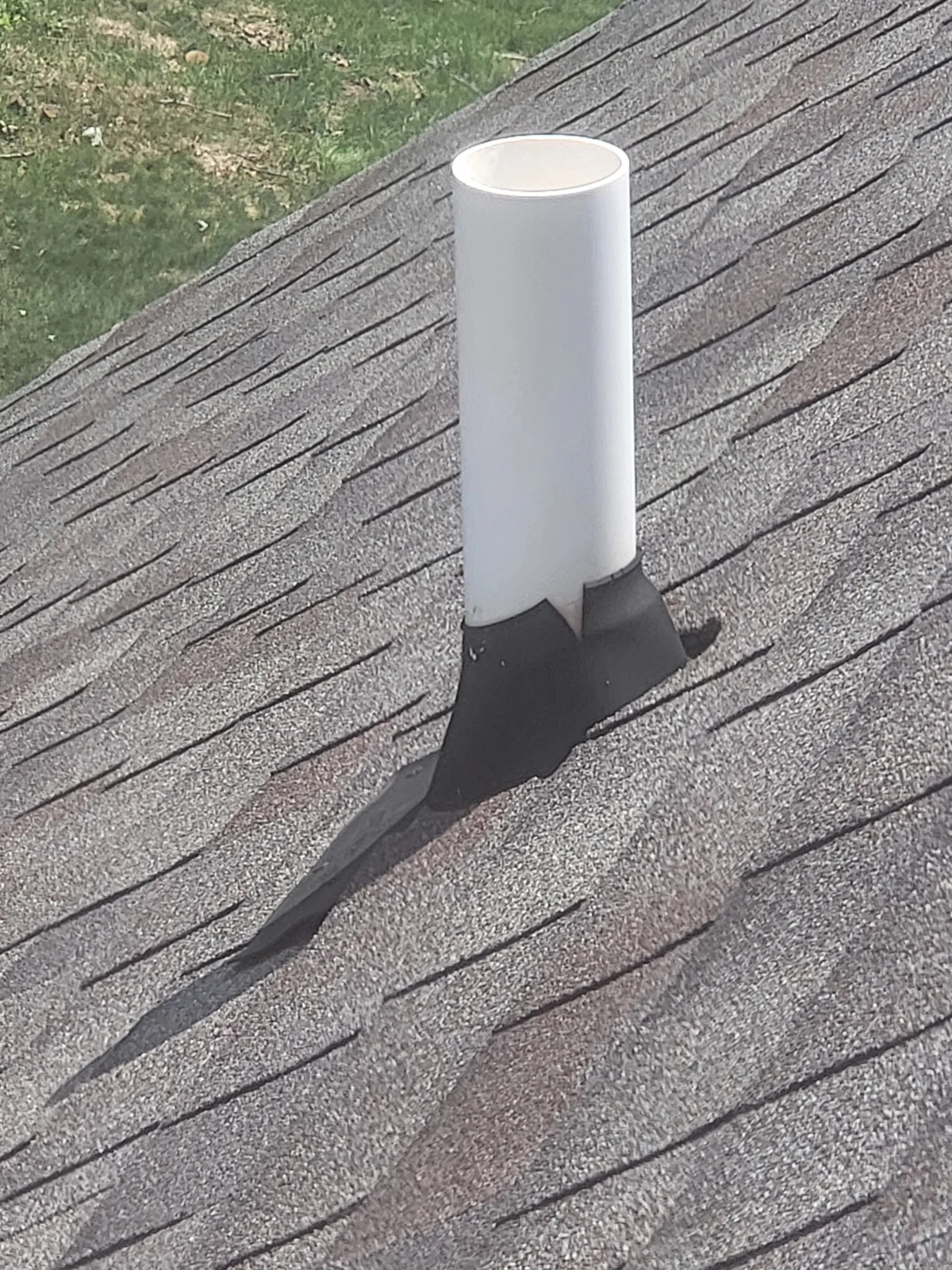
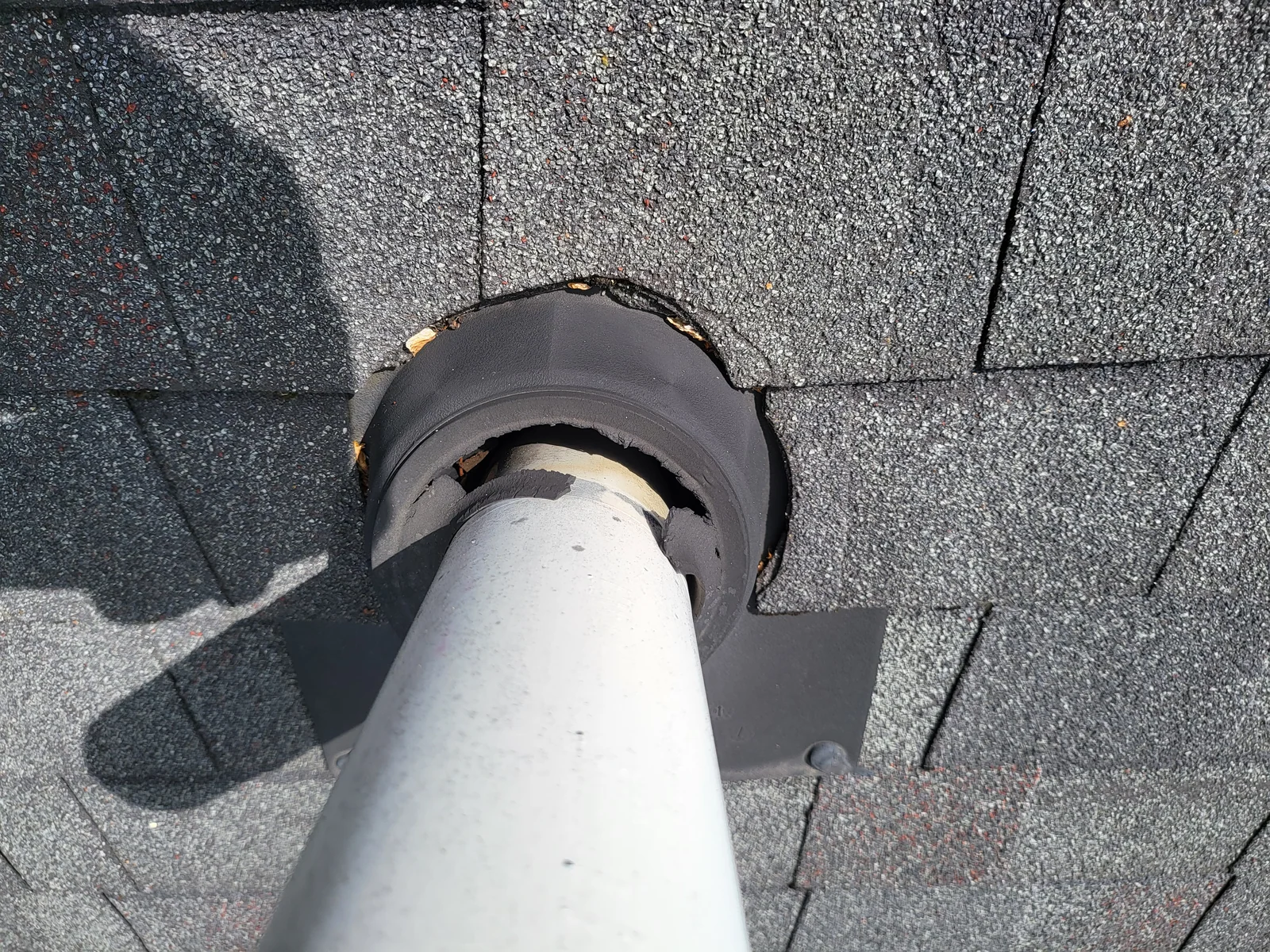
Pipe boots are one of the first places we check for leaks. Cracks or splits in the rubber around a vent pipe can let water in and are hard to spot from the ground. We check the boot, flashing and nearby shingles before treatment.
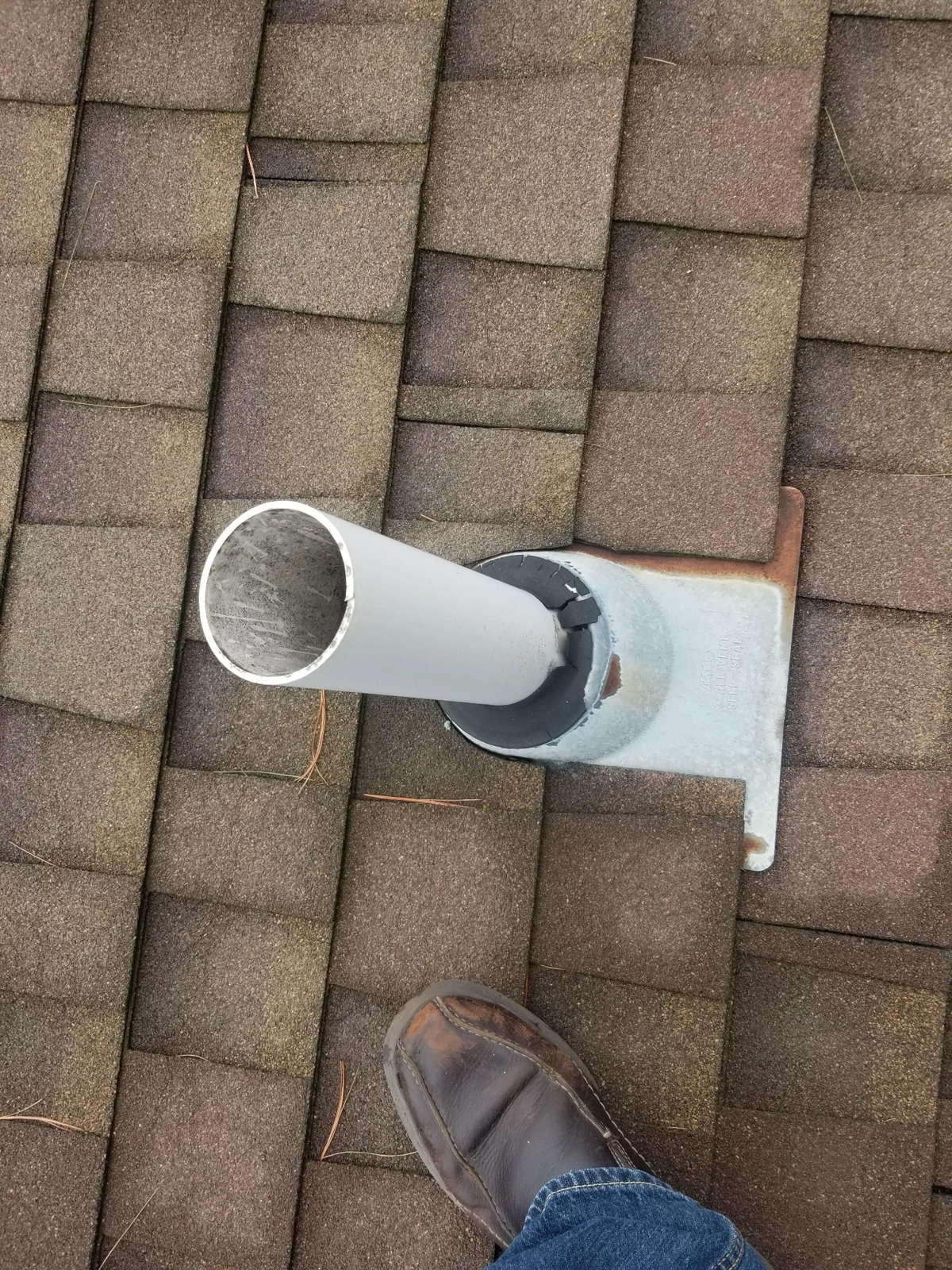
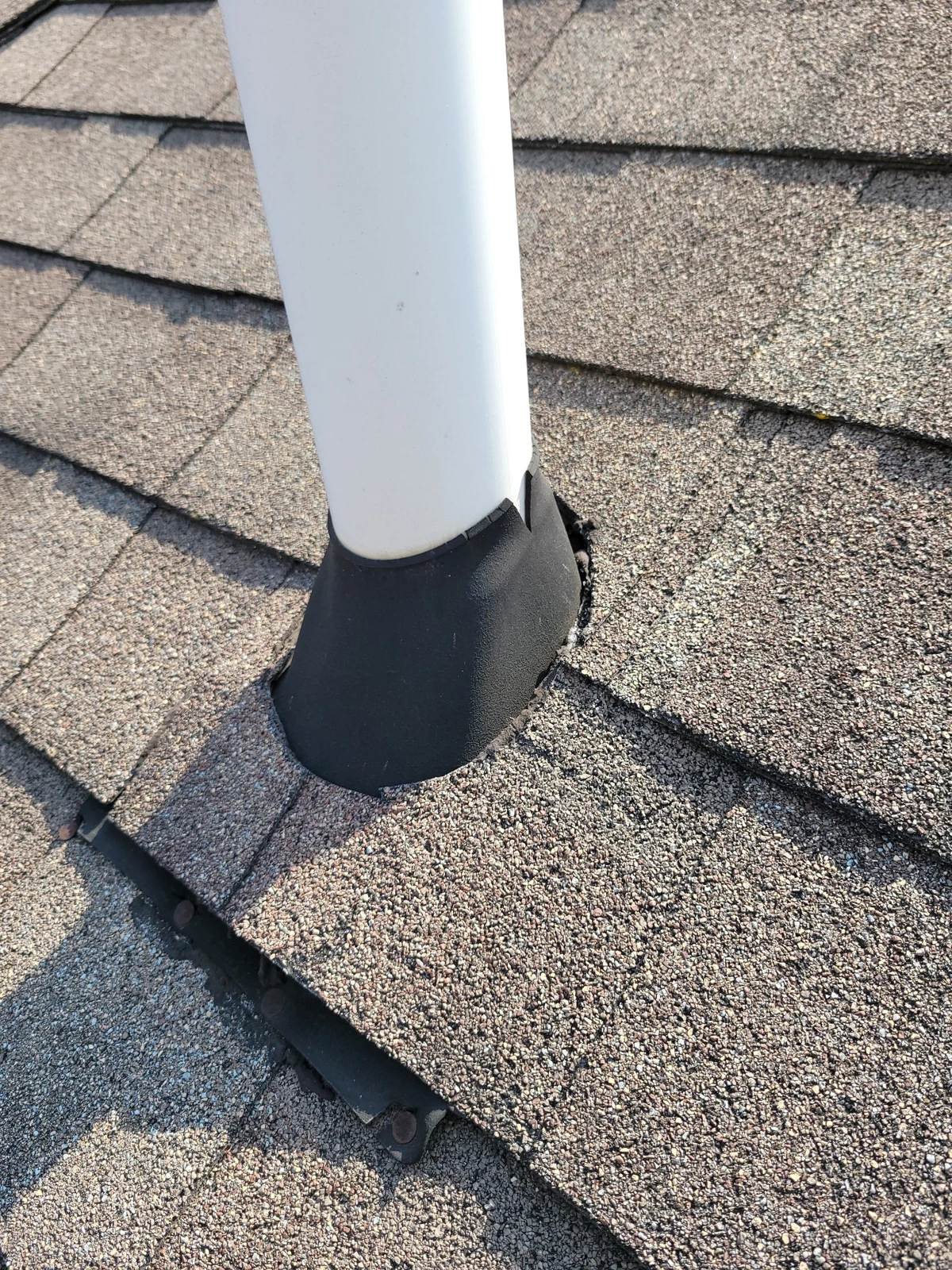
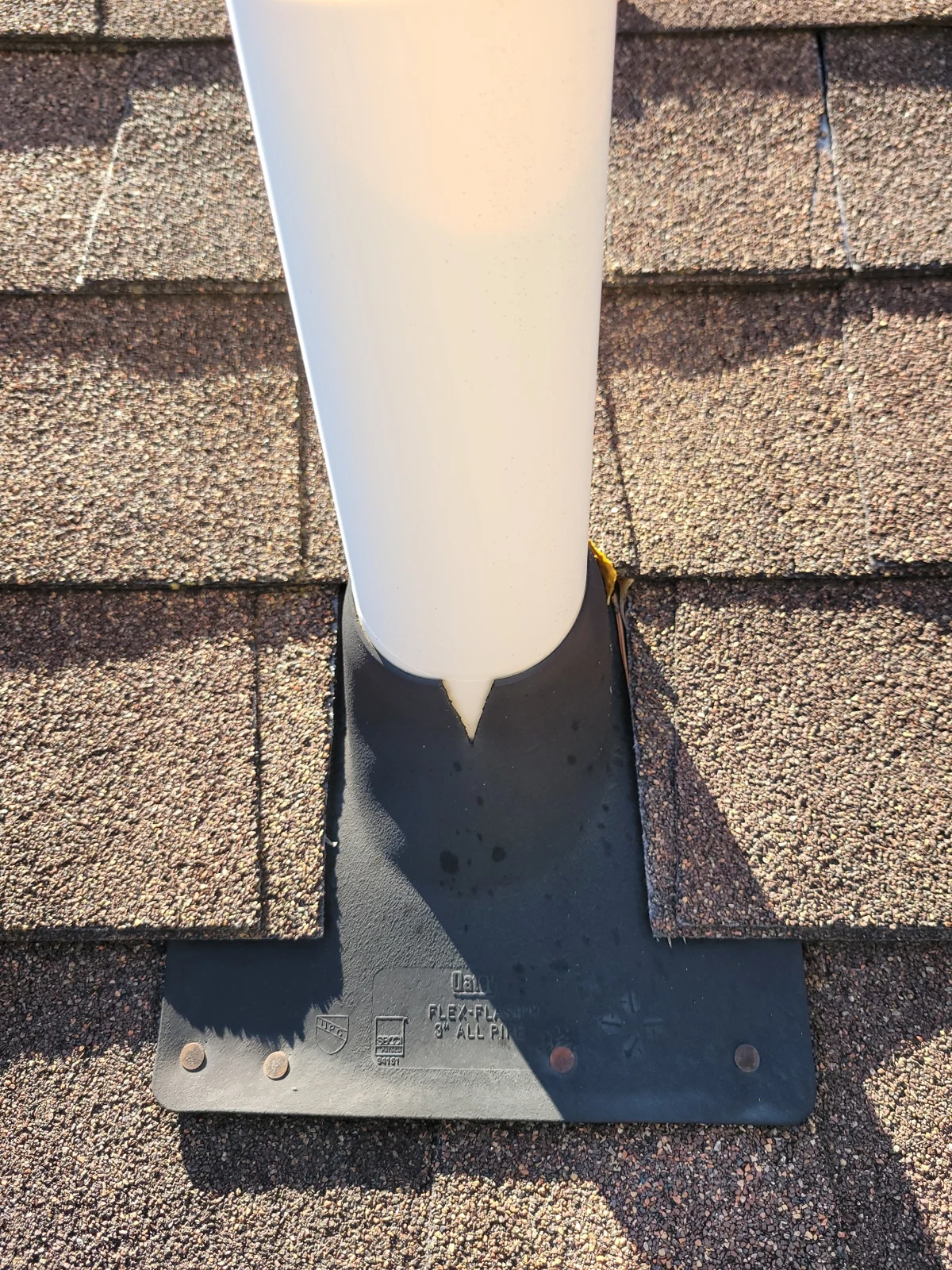
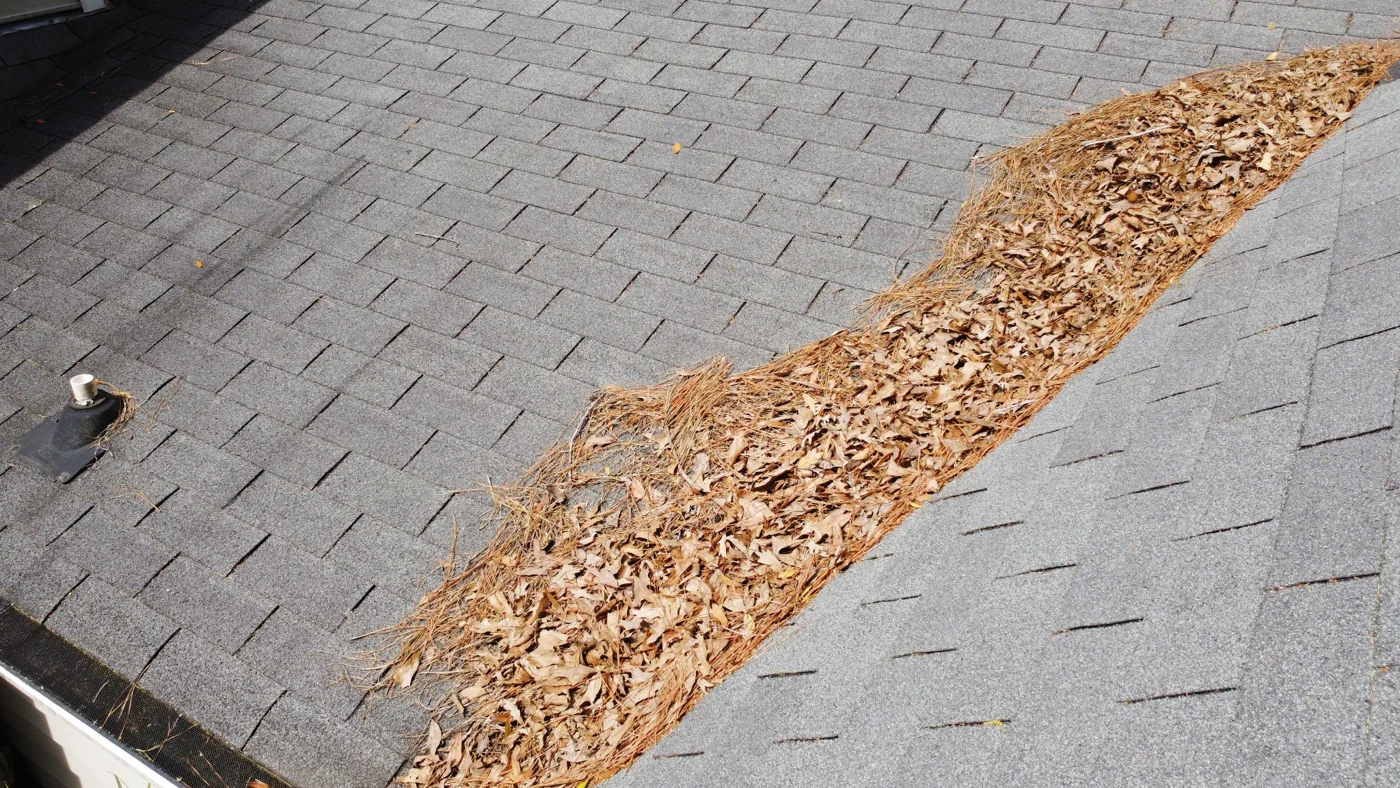
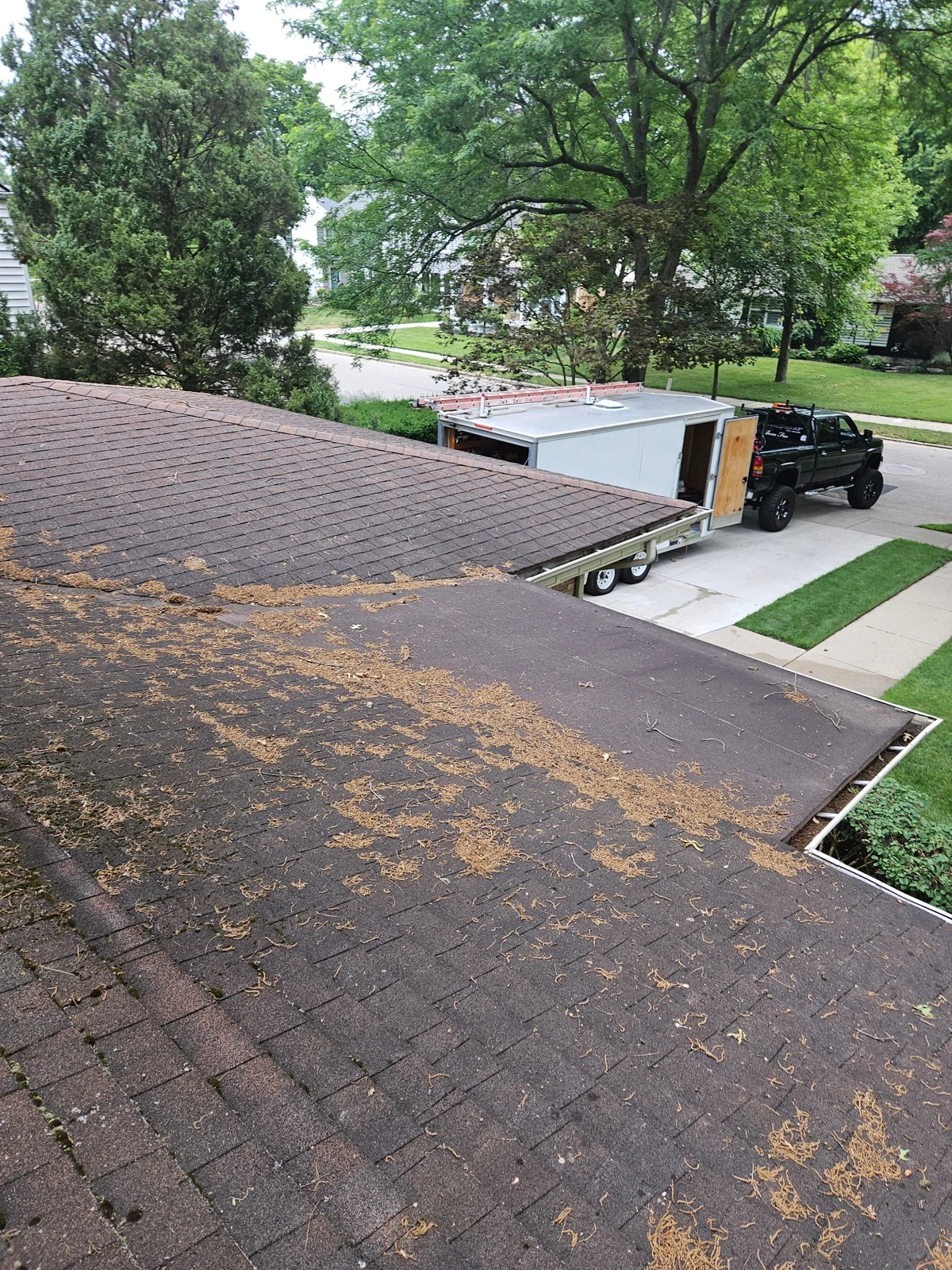
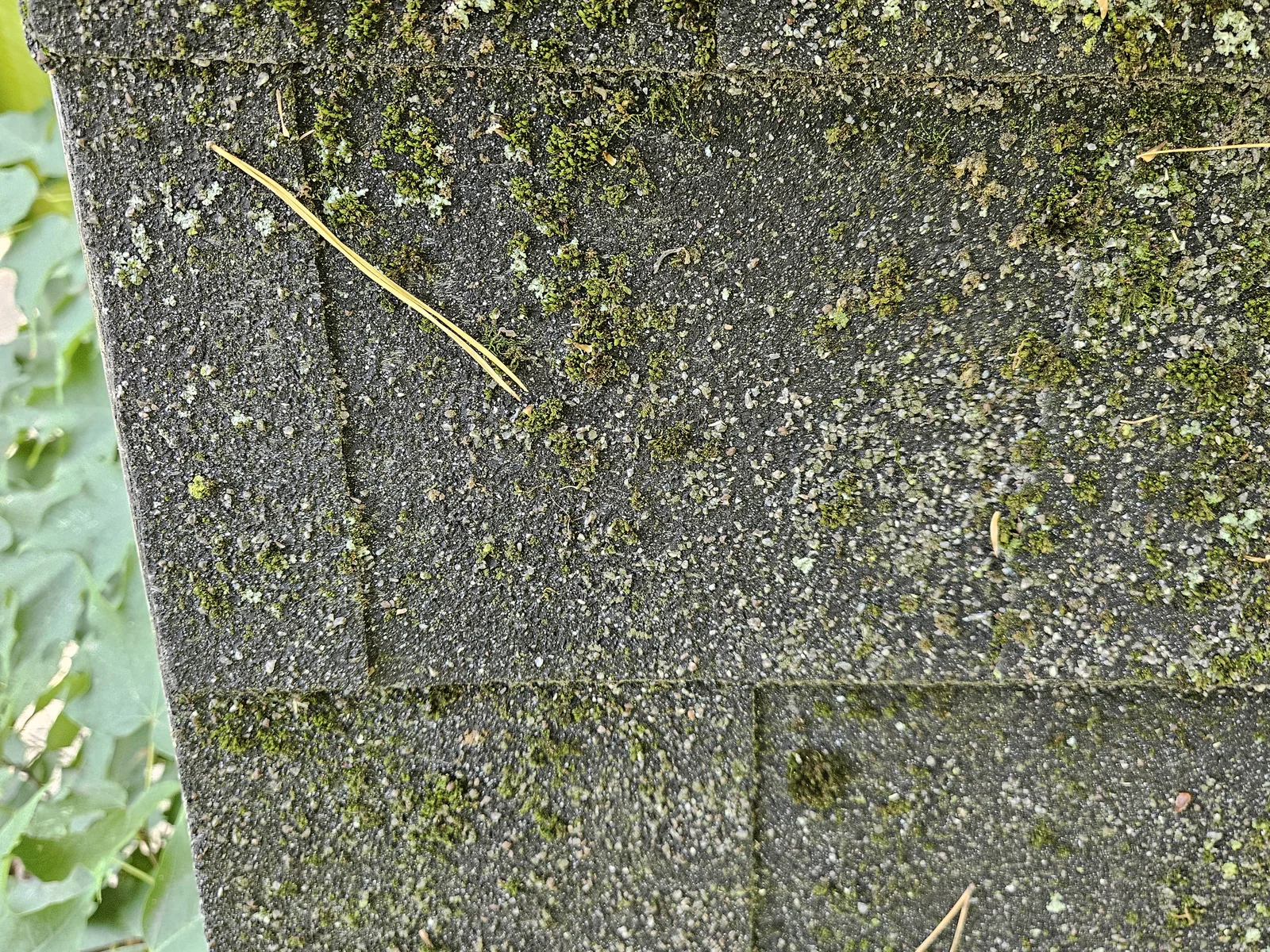
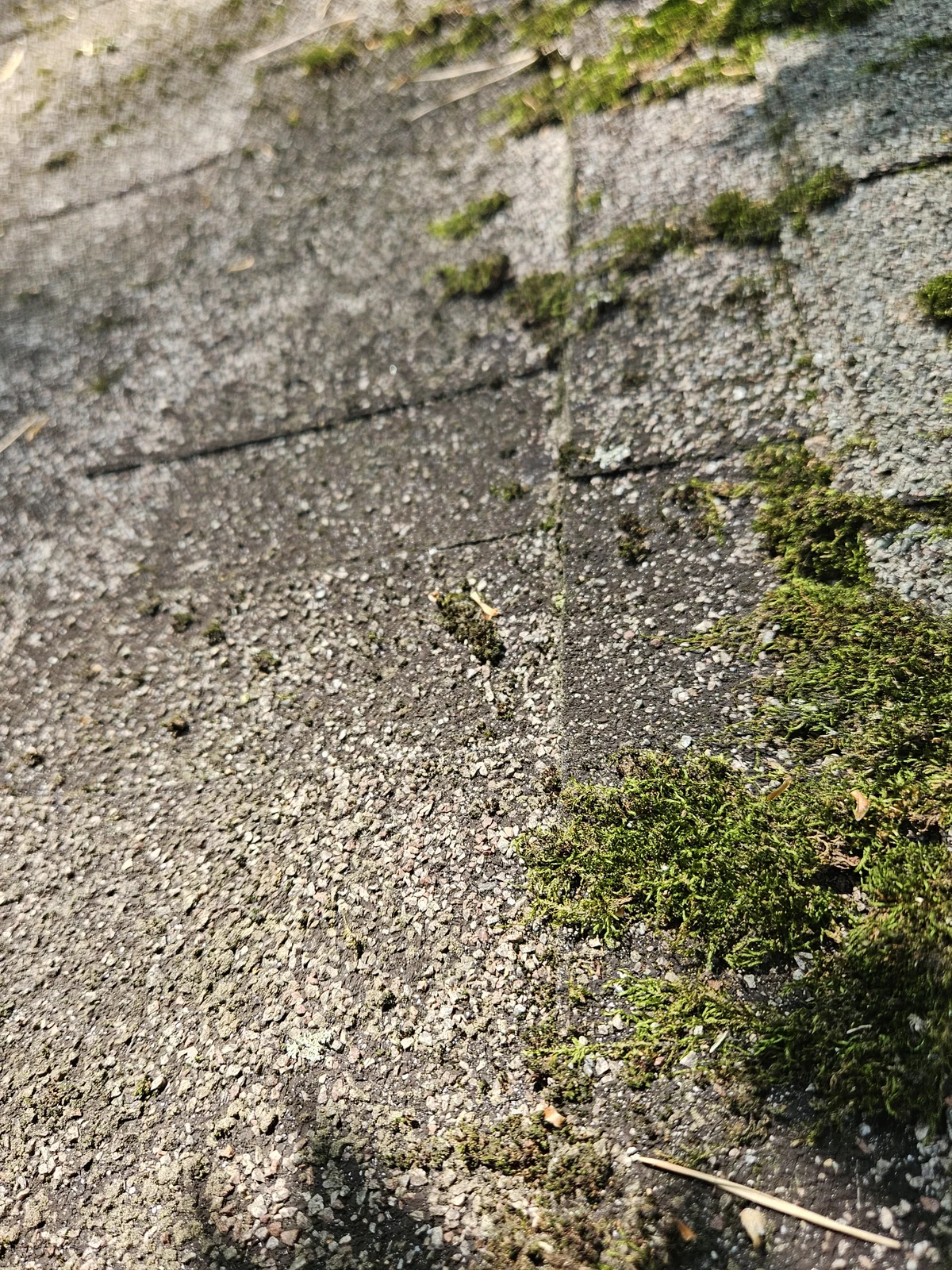
Leaves and pine needles can pile up in valleys and around chimneys, slowing drainage when it rains and holding moisture against the shingles. We clear loose debris during prep and let you know if the roof needs additional cleaning before treatment.
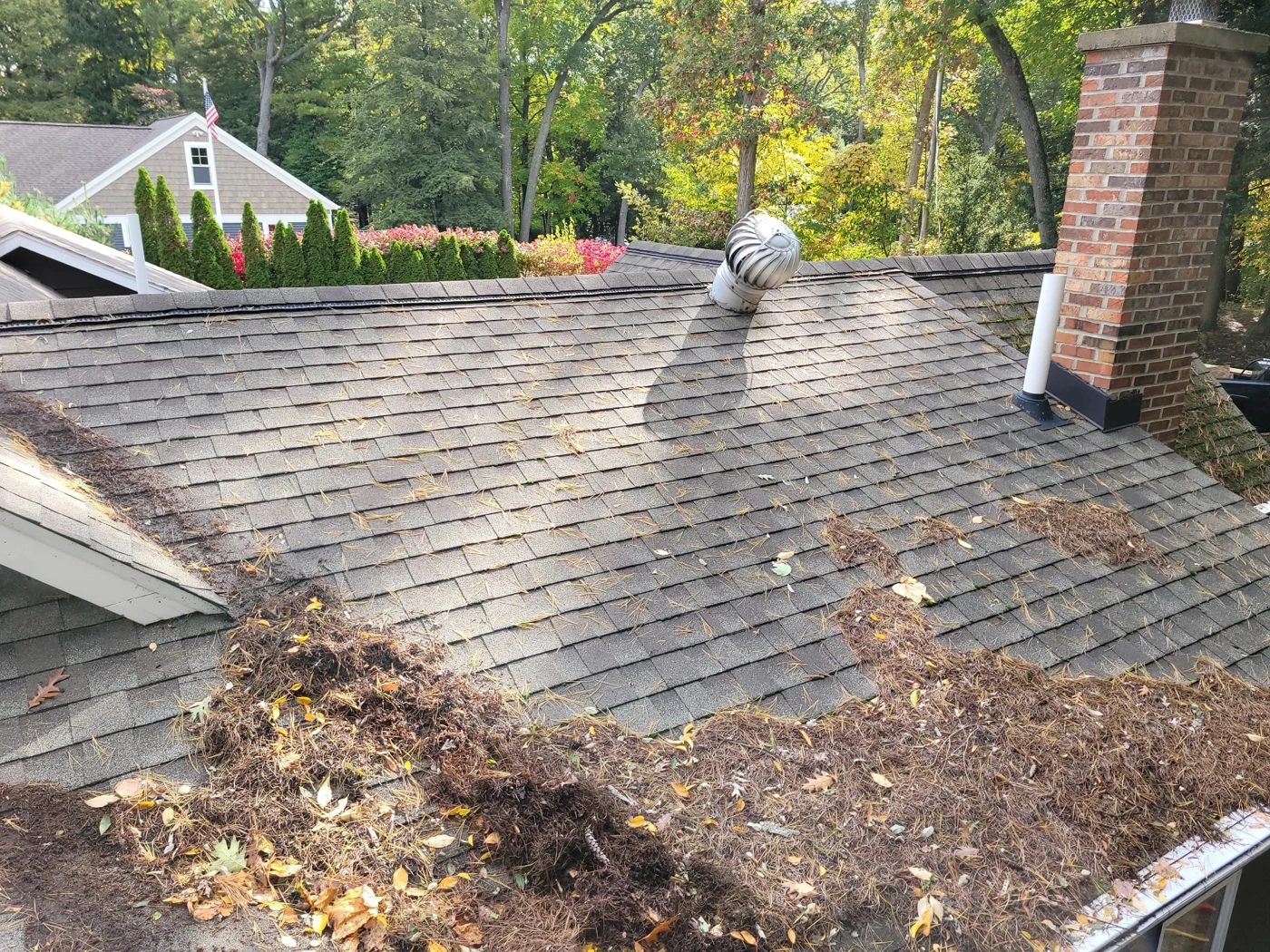
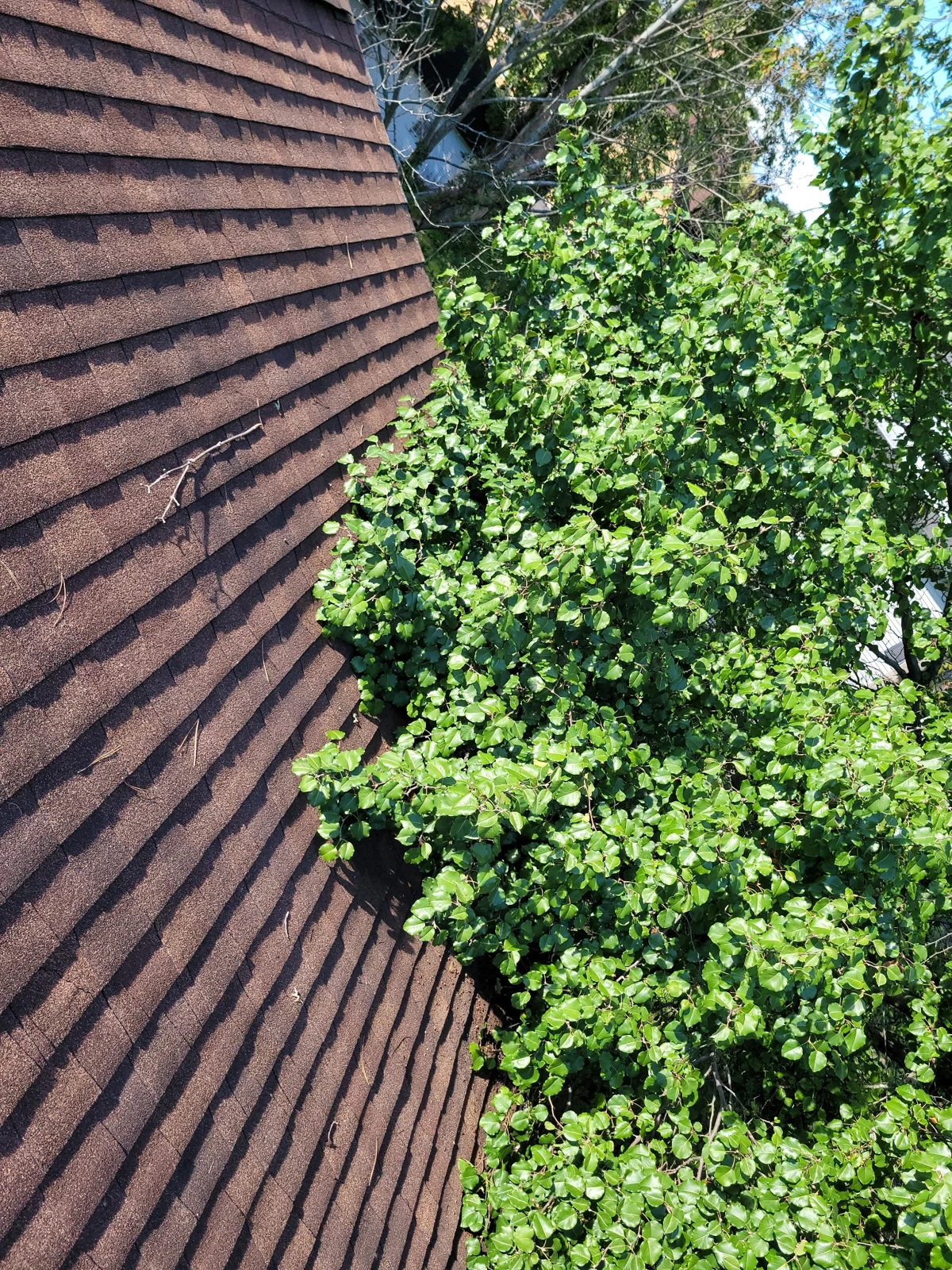
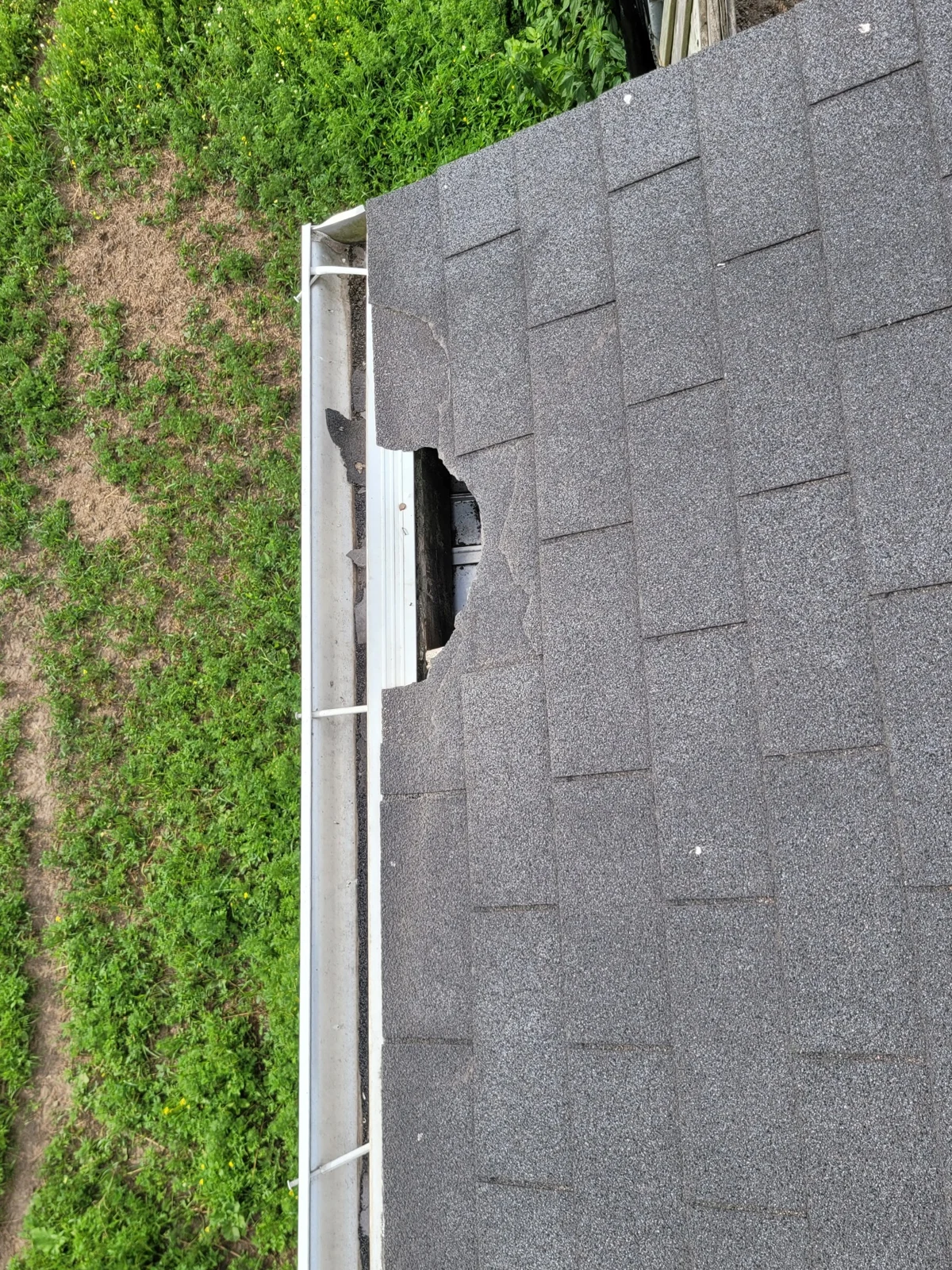
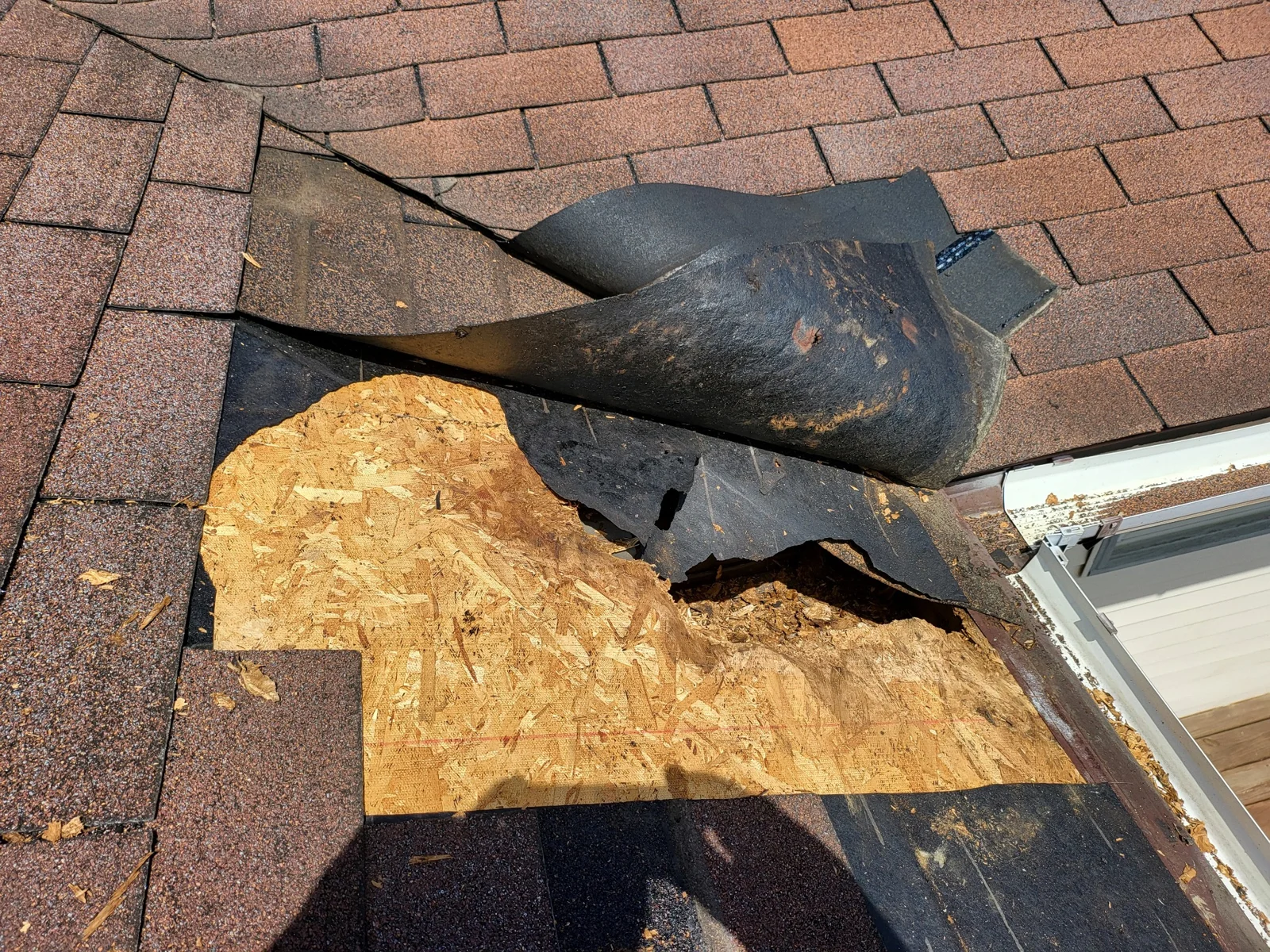
We check accessible roof edges, ridge caps and previous repair areas for signs of trouble. One roof shown here had an opening where the decking was missing—and the homeowner had no idea it was there. These problems need repair before the roof can be considered for treatment.
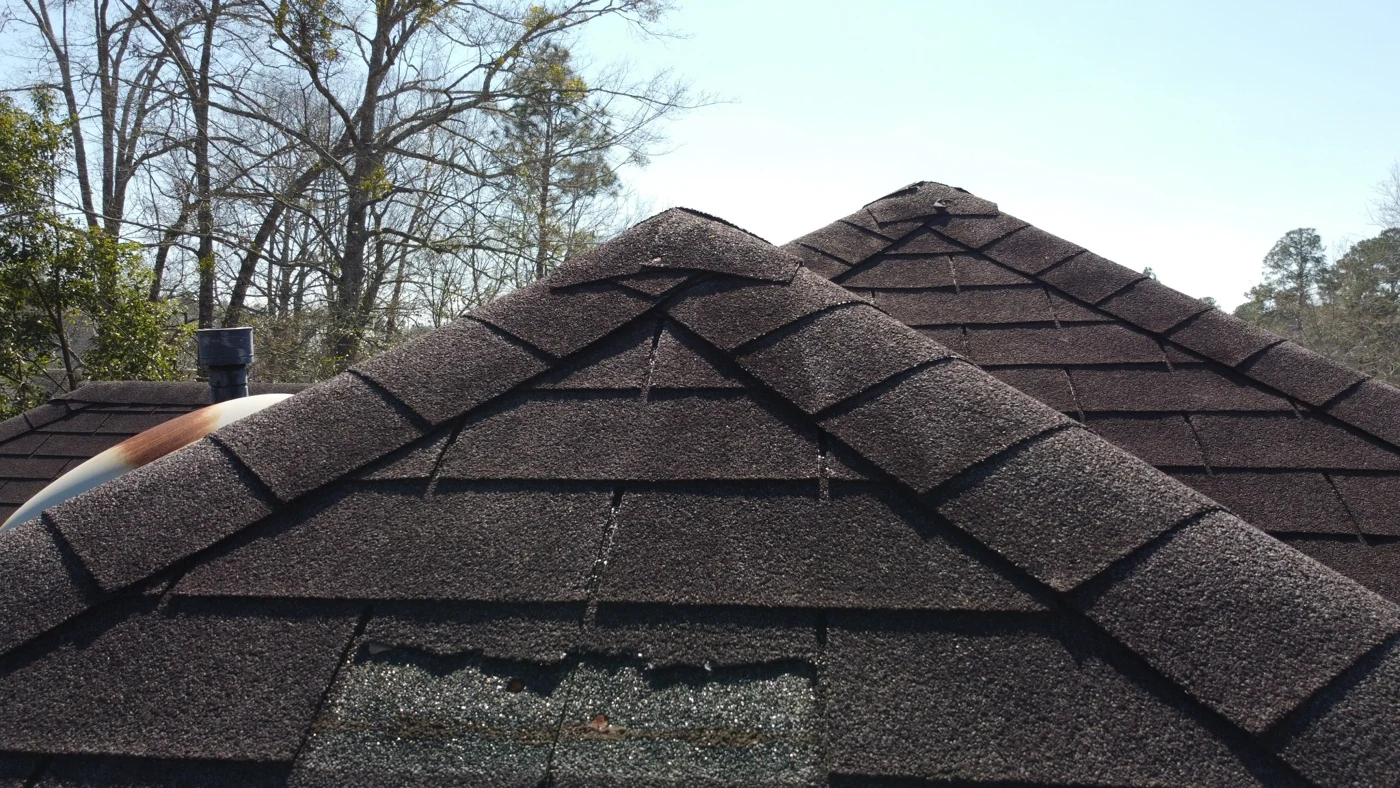
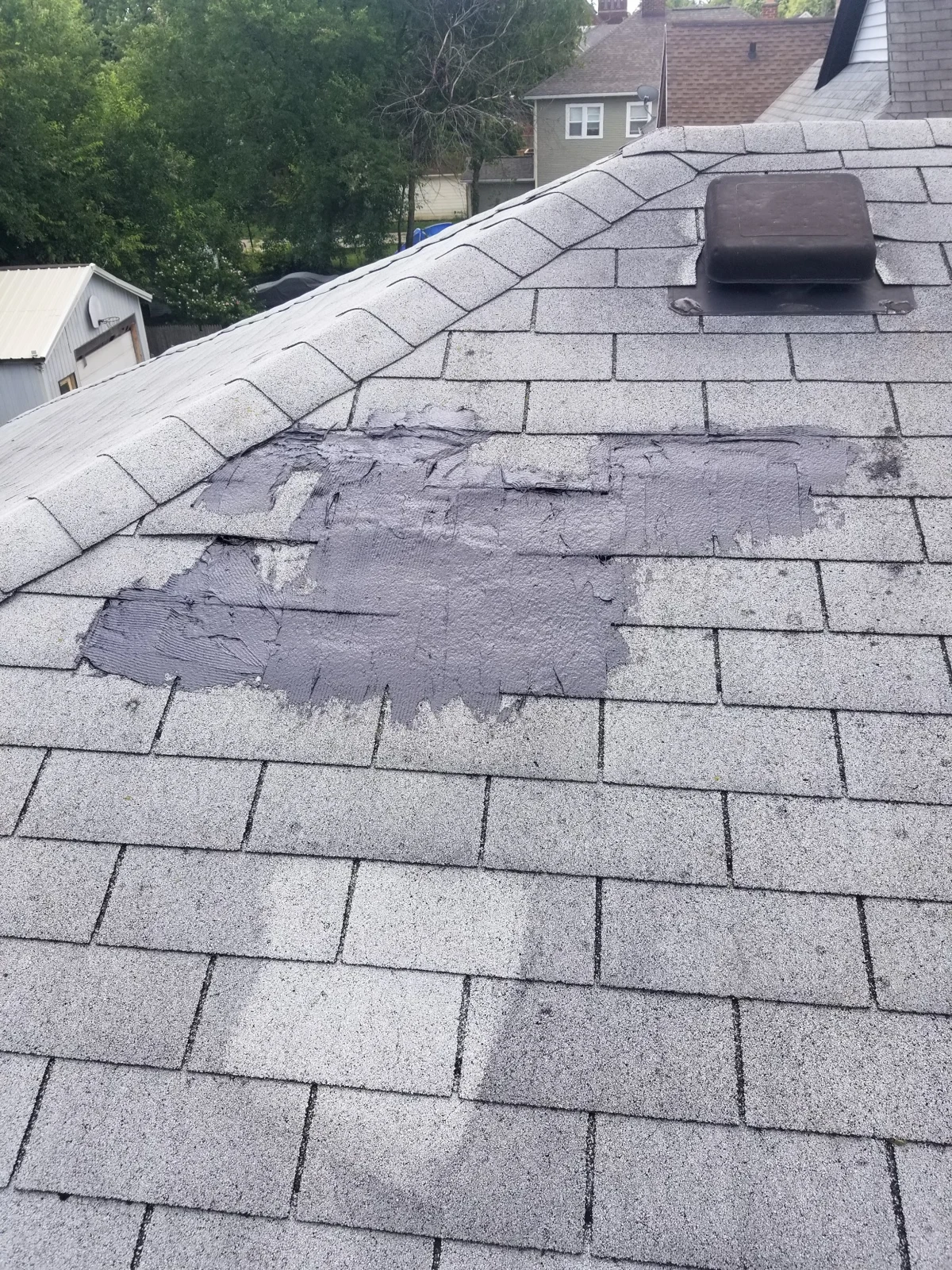
Inspection comes first. Roof Shield treats qualifying asphalt shingles. Missing or damaged decking, leaks and other repair needs must be addressed separately. We explain the findings and any cleaning or repair work before you decide how to proceed.
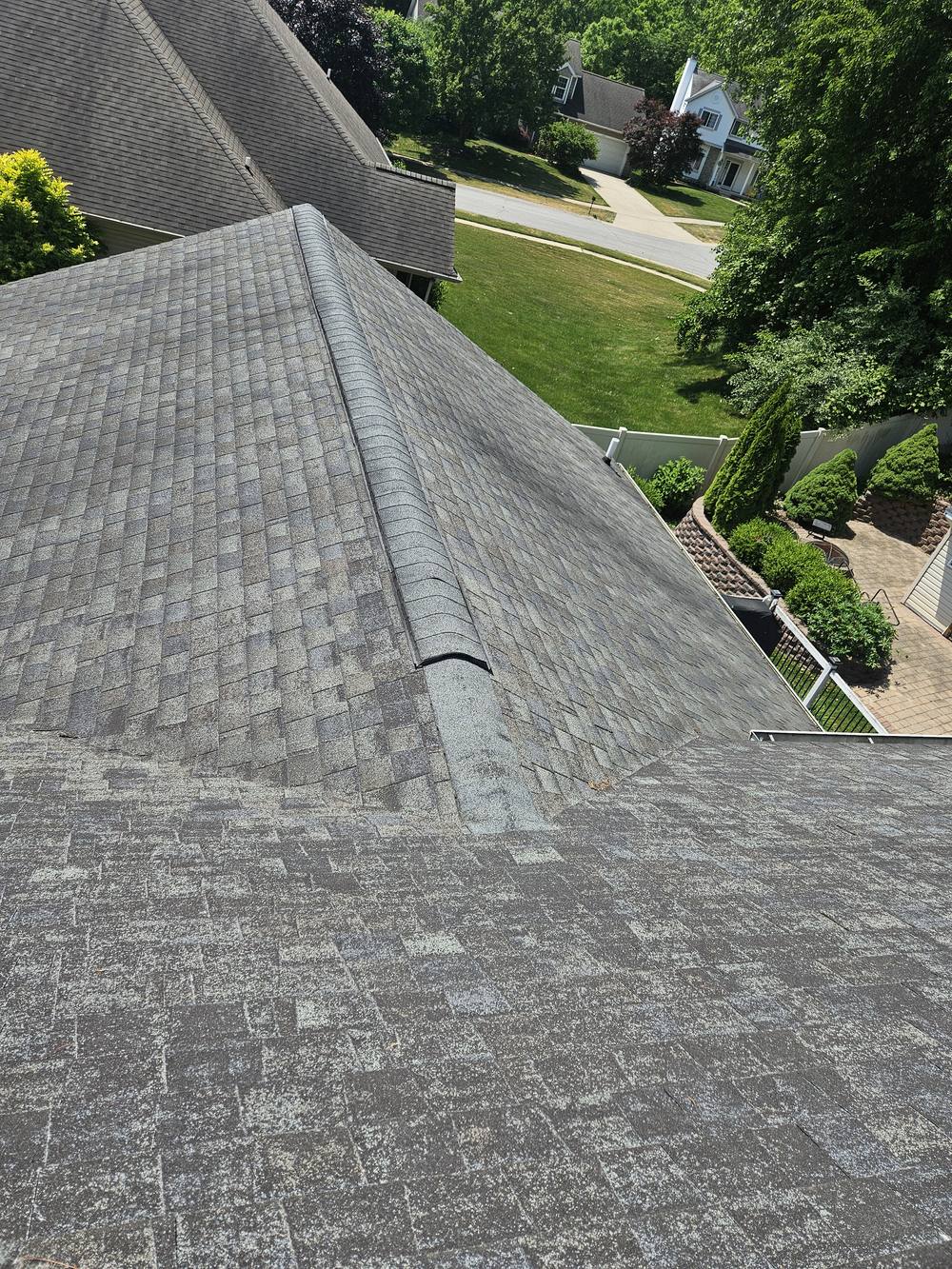
The wide photo shows the roof at 21 years old. The close-up shows the same roof during a repair at 22. Rejuvenation helped keep the shingles flexible enough to lift and reuse the originals during the repair.
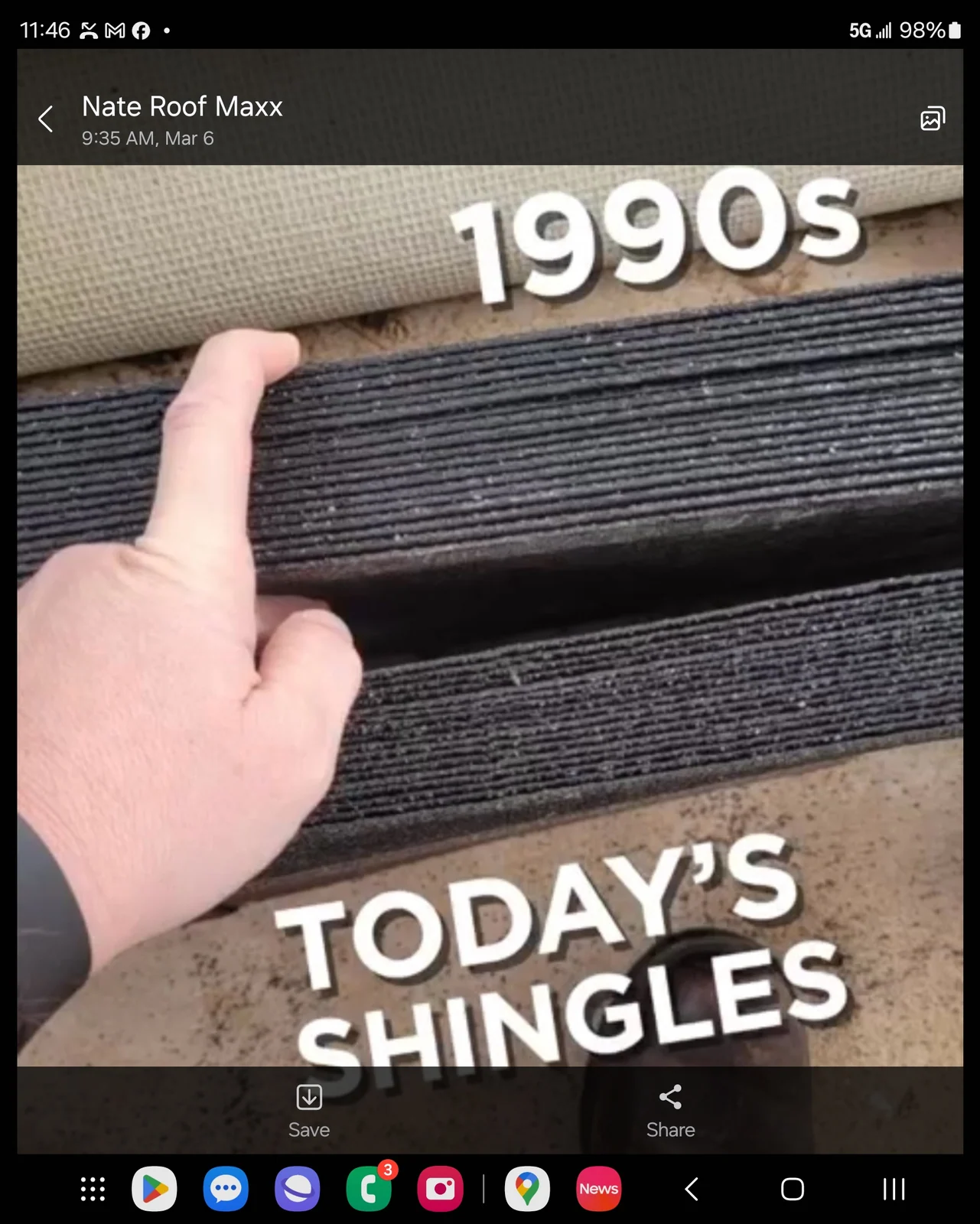
The older stack in this comparison is visibly thicker than the newer stack. Using less asphalt can reduce a shingle’s weight, but thickness and weight also vary by manufacturer, product and construction. This photo shows the difference between these samples. It cannot tell us how much asphalt either one contains.
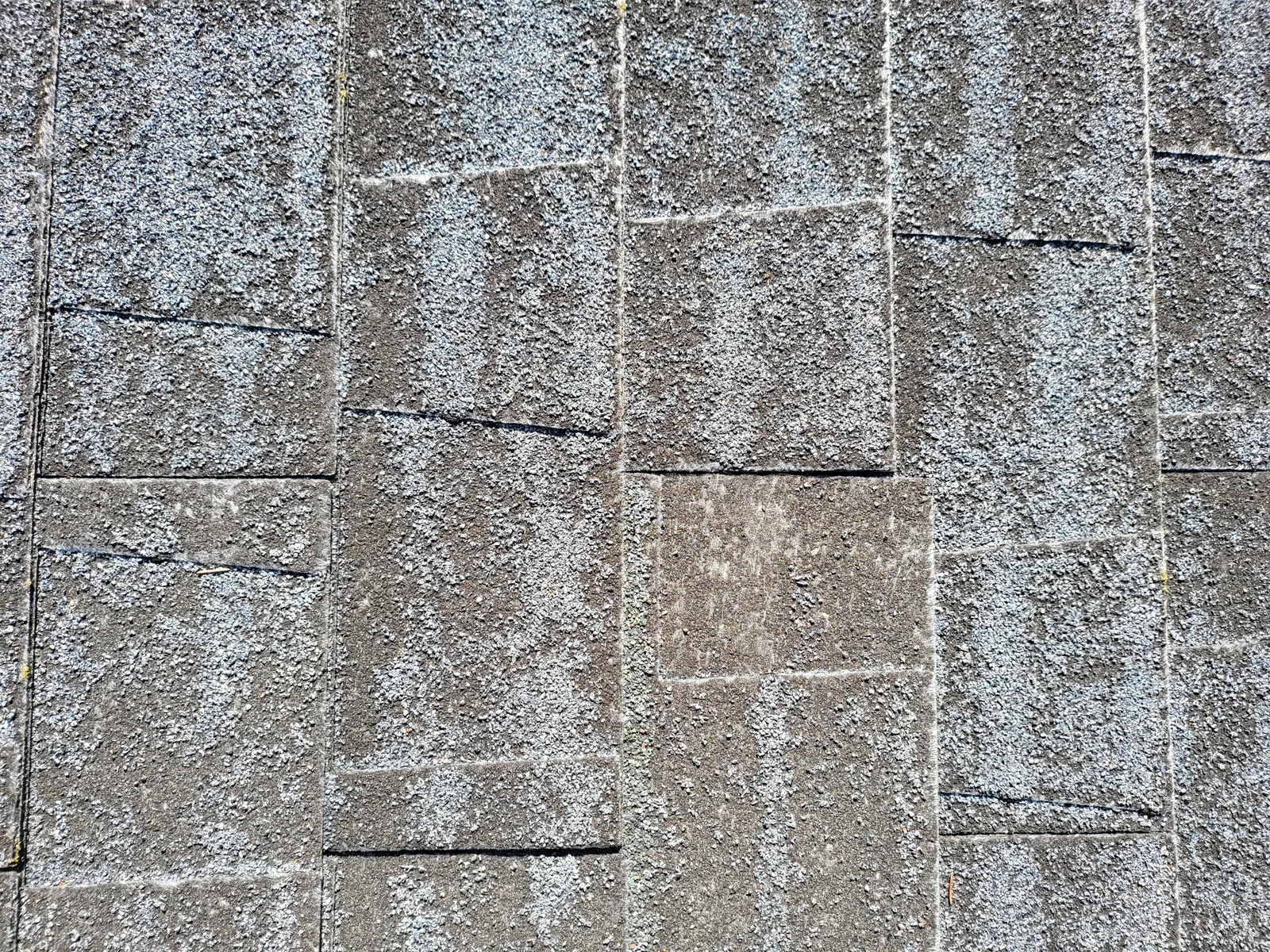
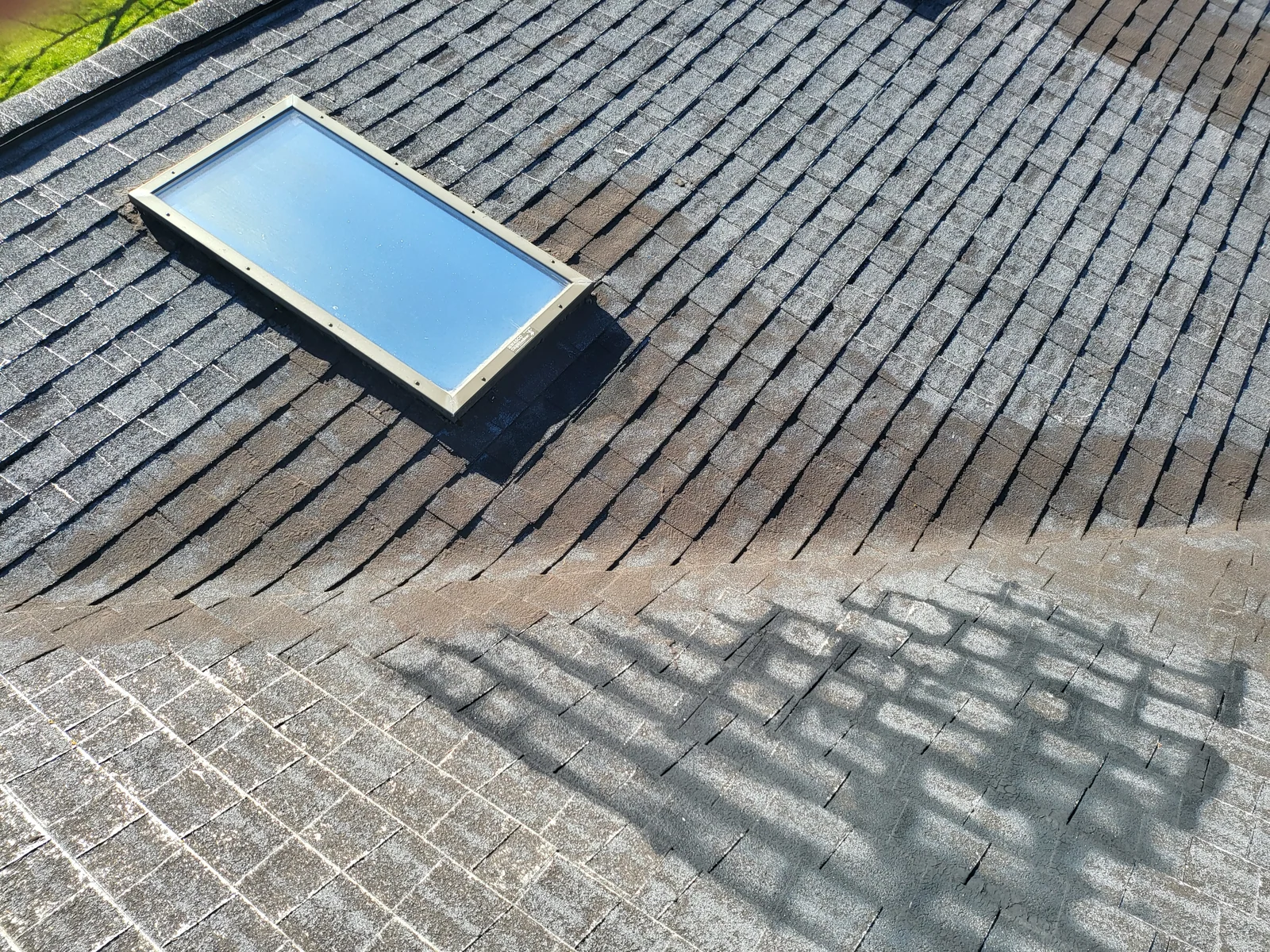
Condition matters more than age. Many roofs considered for treatment are around 5–20 years old, but the roof must be suitable for continued service. We'll look at the actual shingles, roof system and existing problems—not just the installation date.
Our approach: We can discuss localized roof repairs separately; if a roof is not a good treatment candidate, we'll say so. Major repair or replacement may require a qualified roofing subcontractor. See what we check during a roof evaluation.
Request a free roof evaluationTwo valleys were leaking into this home—one onto the homeowner’s bed. We rejuvenated the roof, then returned a week later to replace the damaged decking. On this project, the shingles were flexible enough to lift and reinstall without damaging any during the repair. Reusing the originals helped the repair blend in when viewed from the deck.
See the complete repair project →
Rejuvenation and leak repairs served separate purposes. This past project illustrates shingle reuse; repairability varies with the roof’s condition.
Once we confirm your roof qualifies and agree on any prep or repairs, here’s what the treatment involves. View the official Roof Shield technology page.

We inspect the roof, determine whether it is a suitable candidate, address minor issues where appropriate, and clean organic buildup when needed.

The Roof Shield treatment penetrates the shingles to replenish oils and restore flexibility while improving moisture resistance.

Roof Shield helps aging shingles hold onto protective granules, reducing further loss and helping protect the asphalt beneath from UV exposure.

We inspect the completed application for coverage and overall results before the project is finished.
A real BlueWater Renew Roof Shield application, from equipment setup to treatment. This southern project was completed during Michigan’s off-season.
Explore Roof Shield before-and-after comparisons on different asphalt shingle roofs, including aerial views and a six-month follow-up.
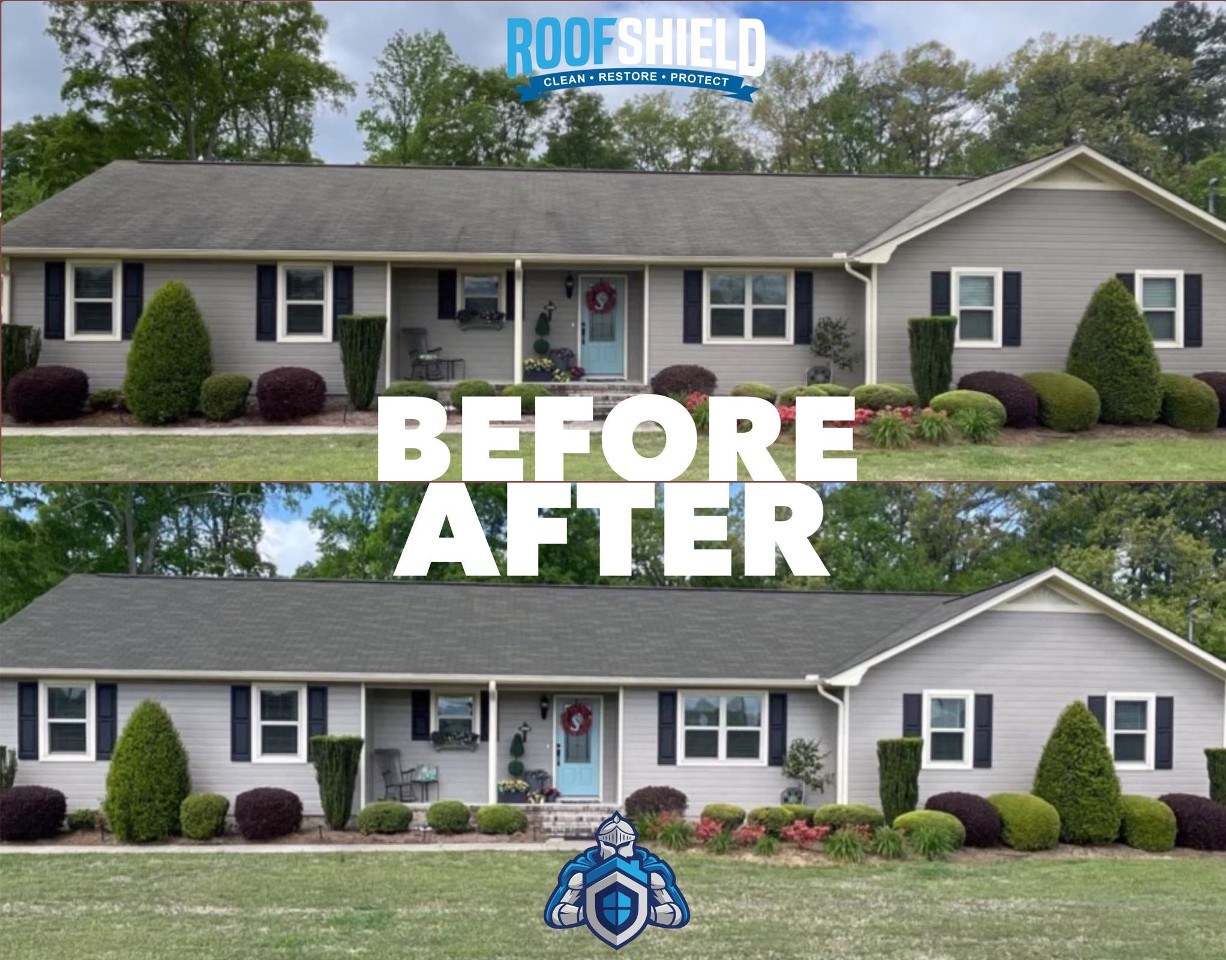
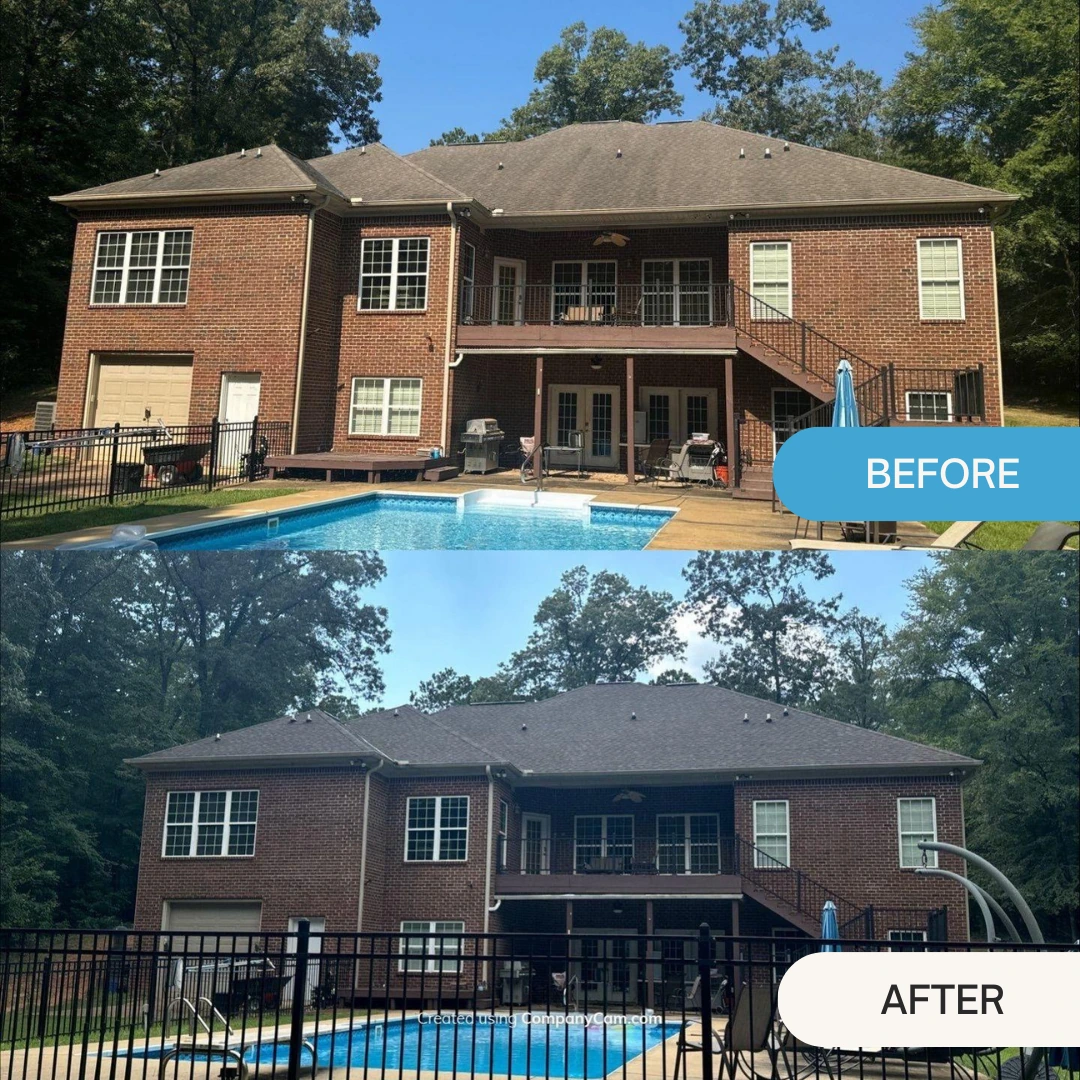
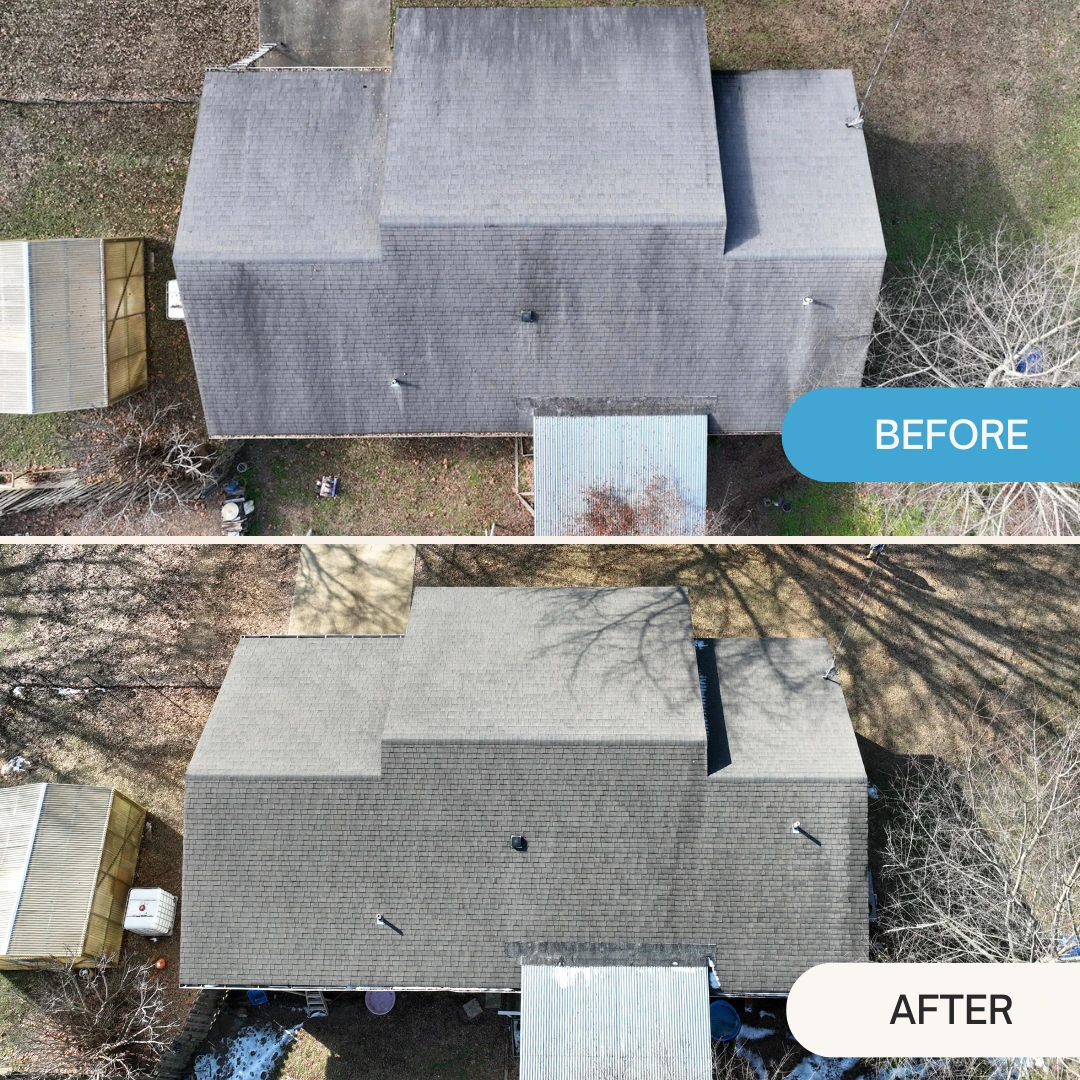
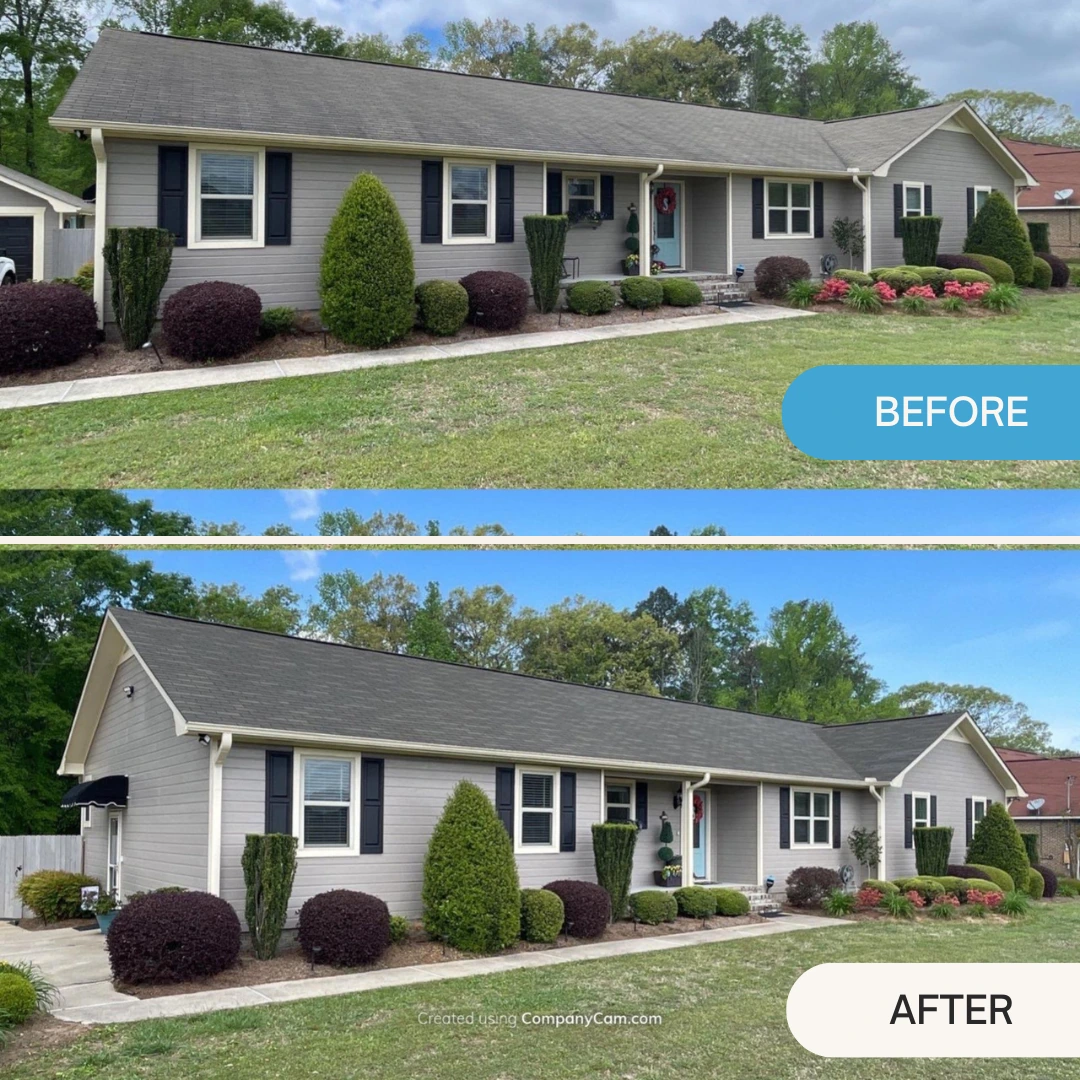
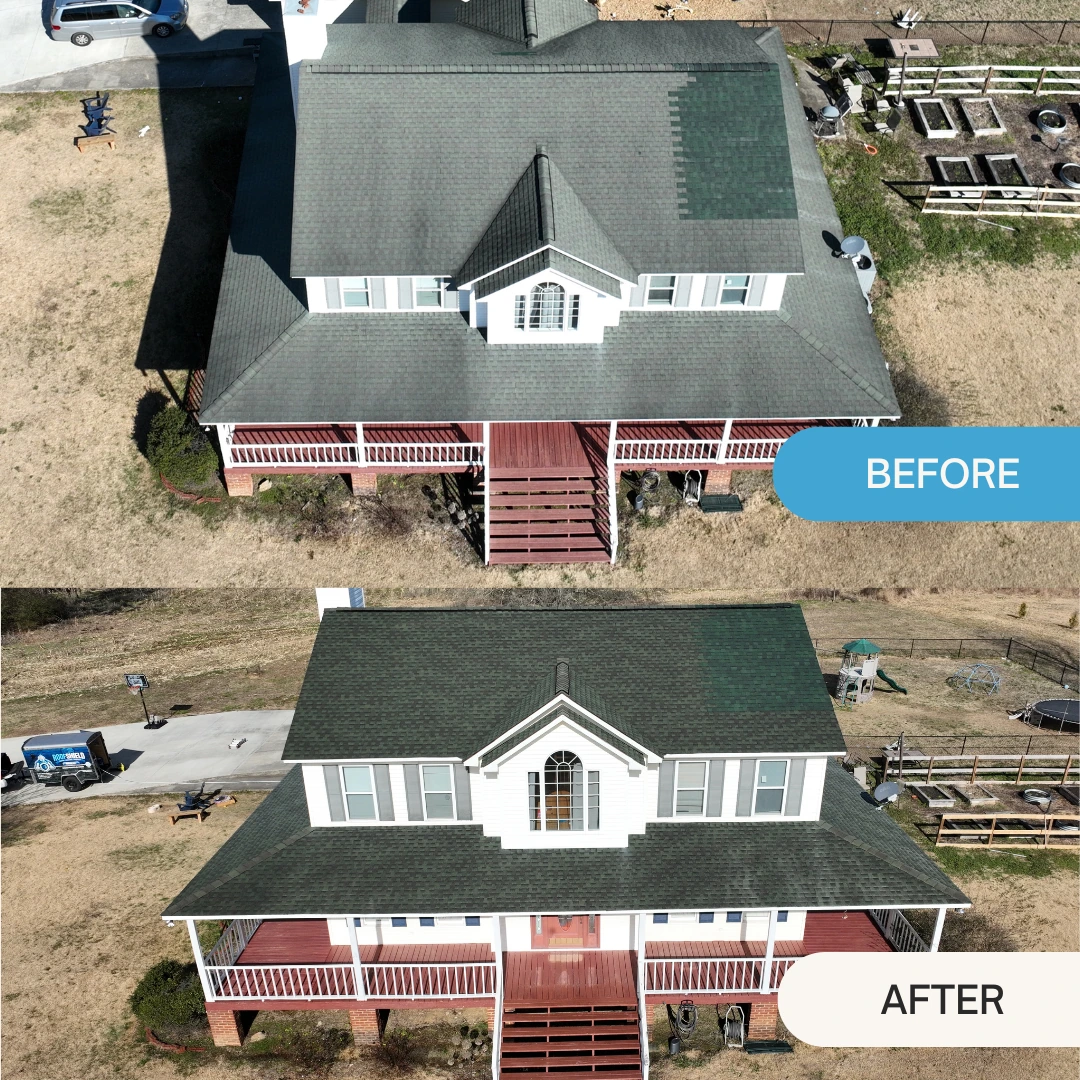
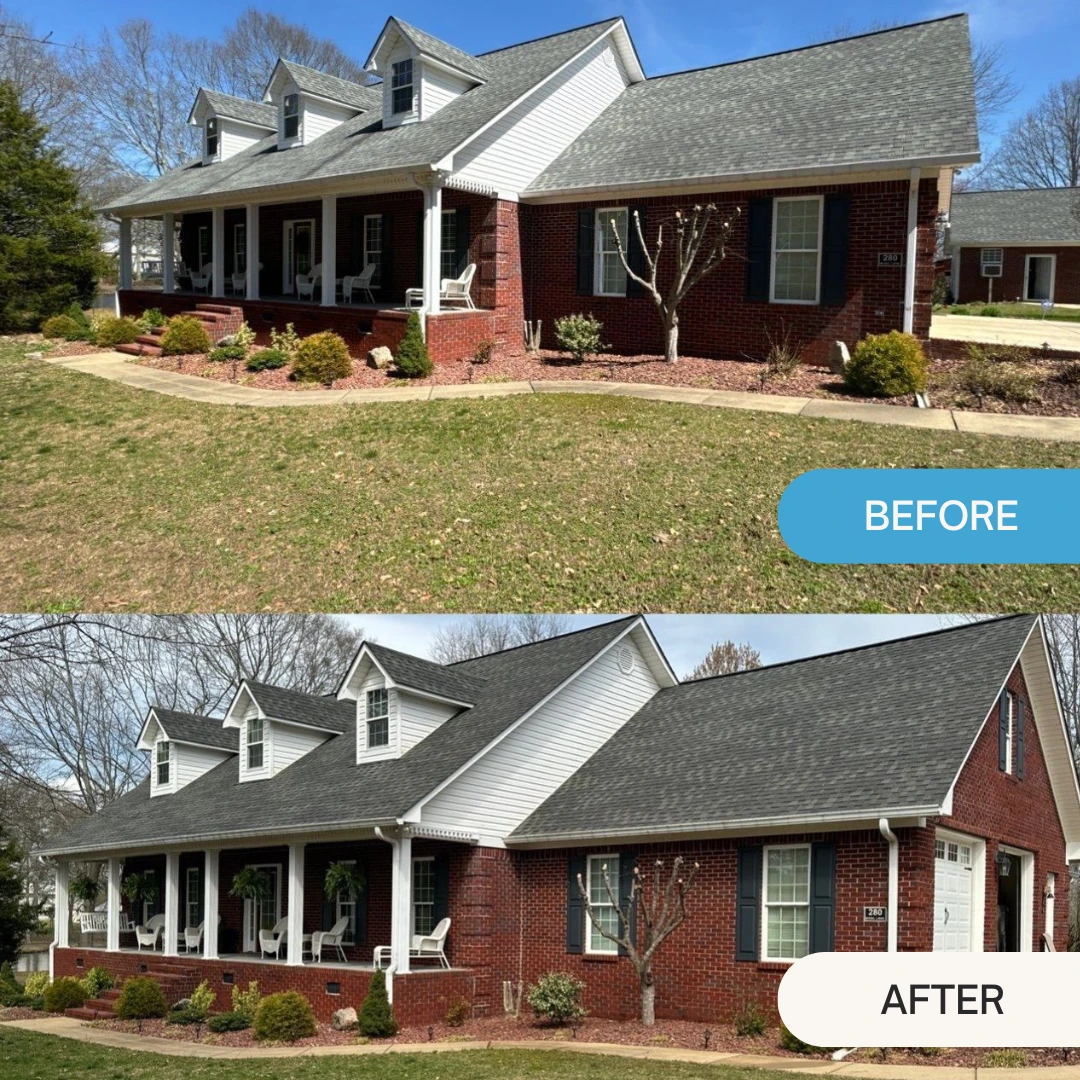
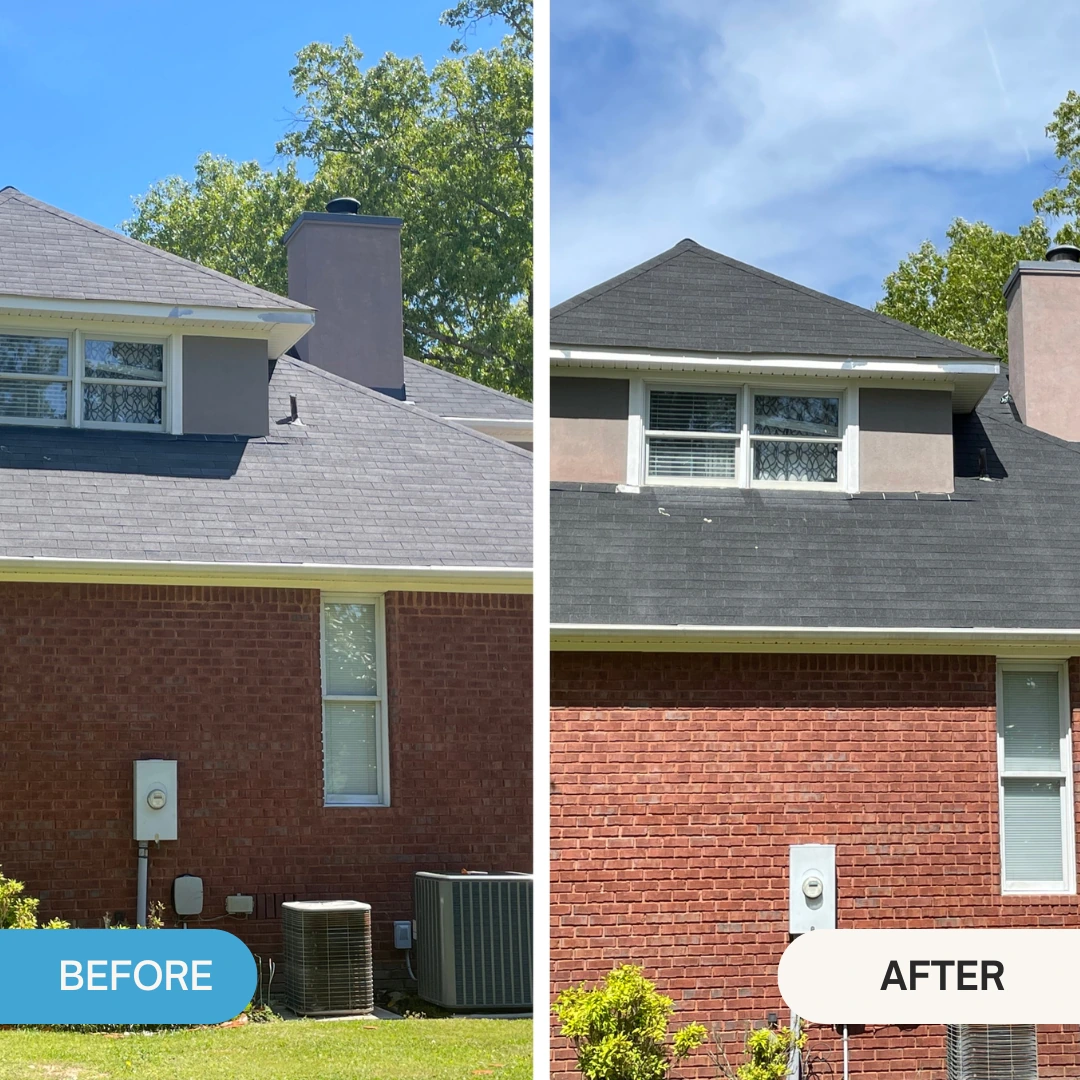
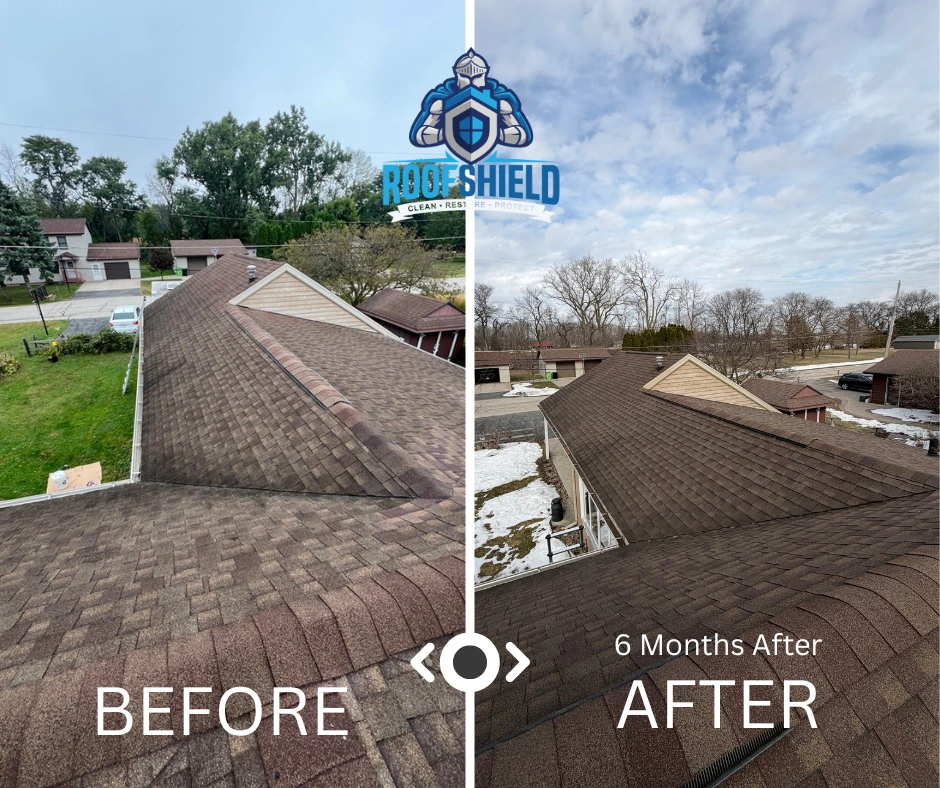
Sun exposure and weather gradually age the asphalt in shingles. The shingles can become less flexible, and protective surface granules may loosen and wash away. Those granules help shield the asphalt from sunlight.
Loss of flexibility can make shingles more susceptible to cracking or damage during maintenance and weather events. Granule loss exposes more of the asphalt surface to UV exposure.
Roof Shield describes its biodegradable Roof Reboot treatment as penetrating existing asphalt shingles and replenishing oils to improve flexibility, moisture resistance and granule retention.
Rejuvenation does not replace missing shingles or lost granules, rebuild damaged decking, or correct failed flashing and existing leaks. We inspect those conditions before recommending treatment.
Learn more about the manufacturer's treatment technology. Laboratory results on this page describe tested samples; results for an individual roof depend on its condition.
Roof Shield is more than a treatment that restores flexibility. Independent testing of the Roof Reboot treatment technology used by Roof Shield showed dramatic improvements in two critical properties of aging asphalt shingles: moisture-vapor resistance and protective granule retention.
99.9% less
In laboratory testing, treated 15-year-old shingles transmitted approximately 99.9% less water vapor than untreated shingles of the same age. They even measured slightly lower transmission than the new shingles tested.
Why it matters: Moisture-related deterioration can damage the wood decking supporting your roof. Improved shingle moisture-vapor resistance is an important way to help preserve aging roofing materials.
93% less
In laboratory abrasion testing, the treated 15-year-old shingles lost 93% fewer granules than untreated shingles. The untreated shingles failed the ASTM granule-loss requirement; treated shingles passed.
Why it matters: Granules shield the asphalt in your shingles from damaging ultraviolet sunlight. Keeping those granules in place helps limit UV exposure that contributes to drying, brittleness and premature aging.
ASTM-tested
Flexibility / pliability is part of the ASTM laboratory testing used to evaluate the treated shingles.
Why it matters: Shingles need flexibility as roofing materials expand and contract with temperature changes. This testing evaluates how shingles bend.
ASTM-tested
ASTM granule-adhesion testing evaluates how well the protective granules stay attached to the shingle surface. This is the testing behind the granule-loss result above.
Why it matters: Those granules protect the asphalt from sunlight. Stronger retention helps preserve that protective surface.
Roof Shield treatment also addresses shingle flexibility and comes with a 5-year transferable warranty for qualifying applications. We evaluate the roof's condition before recommending treatment. After we explain the documented benefits, we'll show you how the cost compares with replacement.
Source: Intertek report N3762.01-106-31 R0 (April 28, 2022), testing Roof Reboot samples. Water-vapor transmission: 204.9712 vs. 0.2024 g/m²/24h. Average granule loss: 4.1 vs. 0.3 g. Laboratory results concern tested specimens; vapor transmission is distinct from liquid-water leakage.
In Roof Shield’s published laboratory comparison, measured granule loss fell from 4.10 g to 0.30 g after treatment—a 93% reduction in that test.
| Shingle condition | Granule loss | Result |
|---|---|---|
| Untreated 15-year-old | 4.10 g | FAIL |
| Treated 15-year-old | 0.30 g | PASS |
| Brand-new comparison | 0.20 g | PASS |
These are results for tested shingle samples. They do not establish the remaining life of your roof or mean that its decking, flashing and installation become new. An evaluation determines whether treatment is suitable.
Older shingles become dry and brittle. Roof Shield replenishes oils in the asphalt, improving flexibility. The treated aged shingles passed the applicable new-shingle pliability criterion in the testing.
Tear performance matters because shingles must tolerate stress around fasteners, thermal movement and weather. The treated aged shingles met the applicable evaluated tear-strength requirement.
Roof Shield is not simply a hard coating laid over the roof. Vapor testing evaluates how moisture vapor moves through the shingle. The treated aged shingles met the applicable evaluated vapor-permeability requirement rather than becoming sealed inside an impermeable film.
Replacing a roof means removing and disposing of existing materials and installing new ones. When an asphalt-shingle roof is still a good restoration candidate, treating it instead can delay tear-off waste and reduce demand for replacement materials.
Roof Shield describes Roof Reboot as a biodegradable, renewable, biobased treatment and states that its product is USDA BioPreferred certified. See the manufacturer's information for the scope of those claims.
Extending the service life of a sound existing roof can be a sensible alternative to replacing it early. It's not a reason to keep a leaking or badly deteriorated roof in service—proper roof condition comes first.
Manufacturer reference: Roof Shield technology and sustainability.
Available through the end of the application season, weather and roof condition permitting. Cleaning and repairs, when needed, are quoted separately. Your written estimate confirms measured roof area, access and final scope.
Request Evaluation| Roof Shield at $1.00/sq. ft. | $2,000 |
| Replacement planning estimate $5.50/sq. ft. plus the normal waste factor | About $12,870 |
| Up-front difference | About $10,870 |
Illustrative up-front comparison, not a replacement quote or a promise of equal service life. Replacement example assumes 2,000 sq. ft. plus 17% waste at $5.50/sq. ft. Actual costs, roof condition, cleaning and repairs vary.
Roof Shield advertises a five-year transferable warranty for qualifying treatment projects. If you sell your home while coverage remains, transferability may help a future owner—but the written warranty controls the actual coverage and transfer requirements.
Before approving treatment, ask Matt for the current written warranty. Review eligibility, covered issues, exclusions, maintenance requirements and any claim or transfer steps. A rejuvenation warranty is not a blanket warranty against all roof leaks or storm damage.
Your written estimate will show the roof treatment and identify any cleaning or repairs priced separately. If inspection finds problems the treatment cannot address, we'll explain the options first.
Here are straightforward answers to questions we hear about roof rejuvenation in West Michigan.
The manufacturer says treatment may revive the appearance of aging shingles, often making them look darker or richer. The amount of visible change depends on shingle type, age and condition. It is not a new roof color or a replacement for missing granules.
The time depends on your roof's size and pitch, access, weather, and whether cleaning or repairs are needed. We can give you a project-specific schedule after evaluating your roof rather than promising a fixed time for every home.
Not every roof needs the same preparation. We inspect for debris, algae and other buildup, and recommend appropriate cleaning when necessary before applying treatment. Any cleaning cost will be stated in your estimate.
No. It is a shingle treatment, not a substitute for leak diagnosis, pipe-boot or flashing repairs, replacement of missing shingles, or damaged roof decking. Those issues must be addressed separately; serious damage may mean replacement is the better option.
Roof age is only one factor. If inspection shows severe shingle deterioration, inadequate protective granules, structural damage or other major failures, we will not recommend treating it as a way to avoid necessary repairs or replacement.
That depends on your original shingle manufacturer's warranty and its specific exclusions. We cannot guarantee that a third-party treatment leaves every existing warranty unchanged. Check your written shingle warranty or ask its manufacturer before proceeding.
Roof Shield advertises a five-year transferable warranty for eligible applications. Ask to review the current written document for coverage, exclusions, transfer procedures and any required records. The warranty does not mean every treated roof will last exactly five additional years.
This Roof Shield rejuvenation service focuses on qualifying asphalt shingles. We also discuss other roof maintenance and repair needs, but metal or low-slope roofs need their own materials and repair methods.
Have a different question? Text Matt at 616-325-5836 or request a free evaluation.
Roof Shield roof rejuvenation, condo and apartment roof projects, and selected larger remodeling and property-improvement work. Contact Matt to discuss project size and scheduling.
BlueWater Renew provides Roof Shield roof rejuvenation, roof cleaning, repairs and home improvement services across the same West Michigan service area. We serve communities from Whitehall and Muskegon through Grand Haven and Holland to Saugatuck and Fennville, and inland through Greater Grand Rapids, Rockford, Cedar Springs, Caledonia, Wayland and Middleville.
View our service-area map, communities and ZIP codes or text Matt your project location.